
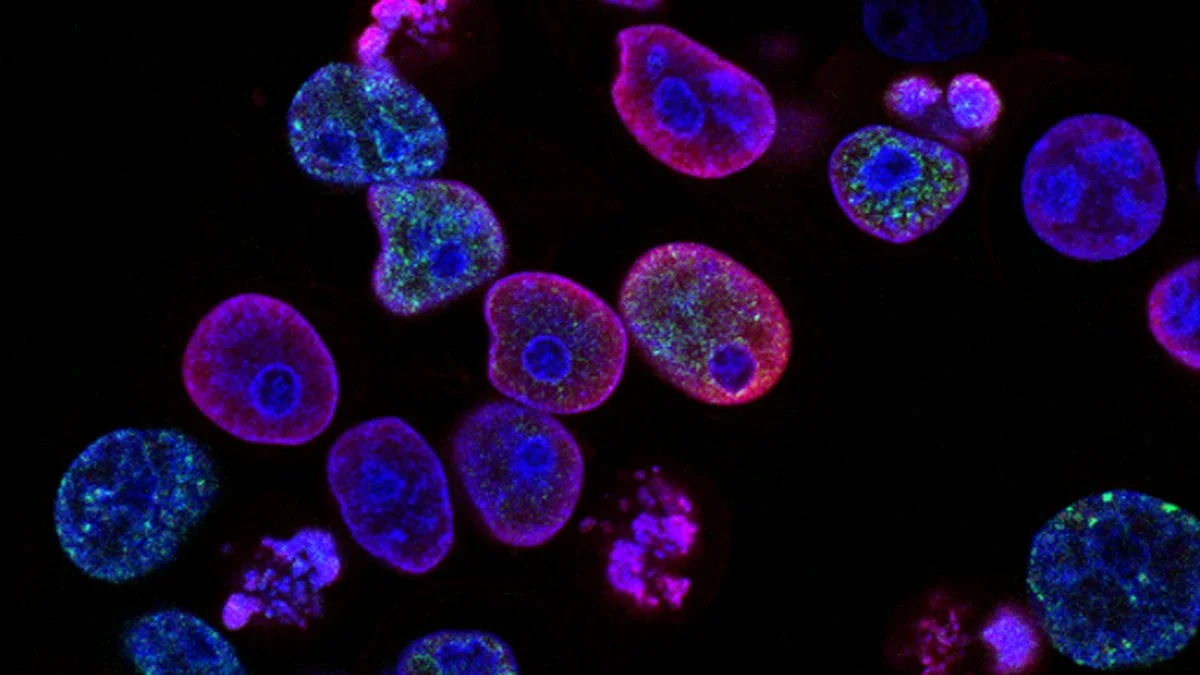
For decades, the commercial probiotic industry sold a simplistic dogma: more live colony-forming units (CFUs) equal better gut health. Consumers dutifully purchased bottles boasting 50 billion or 100 billion live Lactobacillus and Bifidobacterium strains, expecting them to heal intestinal hyperpermeability (“leaky gut”), accelerate fat loss, and resolve chronic systemic inflammation. Yet for millions of individuals, these generic multi-strain formulations delivered little more than bloating, gas, and disappointment.
The paradigm of microbiome medicine underwent a seismic revolution with the clinical discovery of Akkermansia muciniphila. Discovered in 2004 by Professor Willem de Vos, Akkermansia represents between 1% and 5% of the total fecal microbiota in healthy, lean adults. Unlike standard commensal bacteria that float in the intestinal lumen digesting dietary fiber, Akkermansia lives directly in the mucin layer coating the gut epithelium. It constantly grazes on and renews host mucin, maintaining the physical integrity of the tight junction barrier that separates your bloodstream from trillions of inflammatory bacterial endotoxins.
However, when researchers attempted to formulate Akkermansia into a commercial dietary supplement, they stumbled upon an astonishing pharmacological paradox: killing the bacteria with heat made it significantly more biologically active than keeping it alive. Let us conduct a forensic clinical audit of pasteurized versus live Akkermansia muciniphila, its impact on endogenous GLP-1 secretion, and the precise dosing protocols required for metabolic restoration.
What Is the Direct Clinical Verdict on Pasteurized vs. Live Akkermansia?
Pasteurized Akkermansia muciniphila is clinically superior to live forms for metabolic health, insulin sensitivity, and gut barrier reinforcement. Controlled pasteurization (70°C) denatures heat-sensitive surface polysaccharides, unmasking and exposing the thermostable outer membrane protein Amuc_1100. Amuc_1100 directly activates Toll-like Receptor 2 (TLR2) on intestinal epithelial cells, upregulating tight junction proteins (Claudin-3 and Occludin) and stimulating endogenous GLP-1 secretion without the stability, viability, and anaerobic refrigeration risks inherent to live bacterial formulations.
To understand why a “dead” bacterium outperforms a living one, we must explore the biochemistry of the intestinal mucus layer. In patients with metabolic syndrome, insulin resistance, or chronic inflammatory bowel conditions, the protective mucin lining of the colon is dramatically thinned. Lipopolysaccharide (LPS)—a highly toxic structural component of gram-negative bacterial cell walls—leaks across this compromised epithelial barrier into portal circulation. This triggers chronic low-grade metabolic endotoxemia, locking the liver and visceral adipose tissue into a state of continuous inflammatory signaling.
The Molecular Magic: The Amuc_1100 Outer Membrane Protein
When the pioneering research team led by Patrice Cani and Willem de Vos at the Université catholique de Louvain conducted human clinical trials (published in Nature Medicine in 2019), they compared three cohorts: a placebo group, a group receiving 10 billion live Akkermansia daily, and a group receiving 10 billion pasteurized Akkermansia daily for three months.
The results shocked the gastroenterological community. While the live Akkermansia group demonstrated clinical safety and modest improvements, the pasteurized Akkermansia group exhibited dramatic, statistically superior benefits:
- A 30% improvement in whole-body insulin sensitivity (measured via HOMA-IR and oral glucose tolerance testing).
- A significant reduction in circulating plasma insulin and total cholesterol.
- A pronounced drop in serum LPS endotoxin levels, proving physical reinforcement of intestinal tight junctions.
- A prevention of visceral fat mass accumulation and body weight gain compared to placebo.
Subsequent molecular crystallography revealed the exact mechanism: live Akkermansia surrounds itself with a protective layer of extracellular polysaccharides and lipids. When subjected to precise, gentle heat treatment, this outer shield melts away, directly exposing a specific 32-kDa outer membrane pili protein known as Amuc_1100. Because Amuc_1100 is remarkably heat-stable, it remains completely functional after pasteurization. When ingested, Amuc_1100 binds directly to TLR2 receptors located on intestinal epithelial cells and enteroendocrine L-cells.
This binding initiates a rapid intracellular signaling cascade. It stimulates the phosphorylation and expression of Occludin, Claudin-1, and Zonula Occludens-1 (ZO-1), physically sewing tight junctions shut. Simultaneously, it triggers enteroendocrine L-cells to synthesize and release endogenous Glucagon-Like Peptide-1 (GLP-1) and Peptide YY (PYY)—the exact metabolic hormones responsible for slowing gastric emptying, signaling satiety to the hypothalamus, and improving pancreatic beta-cell insulin secretion.
| Comparative Parameter | Pasteurized Akkermansia muciniphila | Live Akkermansia Formulations |
|---|---|---|
| Primary Active Bioactive Entity | Thermostable outer membrane protein Amuc_1100 | Live colony colonization & ongoing mucin fermentation |
| Human Clinical Evidence (Nature Med 2019) | Superior (+30% insulin sensitivity, marked LPS reduction) | Moderate (safe, but blunted metabolic improvements) |
| Endogenous GLP-1 & PYY Signaling | Direct, high-affinity TLR2 receptor activation | Indirect (dependent on metabolic substrate production) |
| Shelf-Life & Temperature Stability | 100% stable at room temperature; resistant to stomach acid | Extremely fragile; obligate anaerobe killed by ambient oxygen |
| Safety Profile in Compromised Guts | Zero risk of bacterial translocation or systemic bacteremia | Theoretical translocation risk in severely ulcerated mucosa |
| Validated Human Dose | 10 Billion cells (10^10) daily with food | 100 Million to 1 Billion AFU/CFU daily |
The Costly Traps: Oxygen Inactivation & Food-Label Misconceptions
Because Akkermansia has exploded in popularity across wellness social media, several deceptive marketing traps have emerged that mislead consumers:
- Trap 1: Believing Fermented Foods Contain Akkermansia: You cannot get Akkermansia from kimchi, sauerkraut, yogurt, or kombucha. Akkermansia is an obligate anaerobe that dies within minutes of exposure to atmospheric oxygen. It cannot survive in open-air food fermentation vats. Anyone claiming fermented foods “provide Akkermansia” does not understand basic microbiology.
- Trap 2: Buying Live Akkermansia Without Strict Cold-Chain Verification: Because live Akkermansia is killed by oxygen and heat, manufacturing live capsules requires expensive specialized nitrogen-flushed anaerobic packaging. If a bottle of live Akkermansia sits in a hot shipping warehouse or delivery truck, viable cell counts plummet to near zero before it reaches your door. Pasteurized Akkermansia completely eliminates this risk because the active protein Amuc_1100 is already heat-stabilized.
- Trap 3: Starving Endogenous Akkermansia of Polyphenols: Whether you take supplemental pasteurized Akkermansia or want to bloom your own native colonies, Akkermansia thrives on dietary polyphenols, not just generic insoluble fiber. Specific foods rich in proanthocyanidins and ellagitannins—such as pomegranates, cranberries, black tea, and Concord grape skin—serve as dedicated prebiotic fuel for Akkermansia muciniphila.
The 4:00 PM Actionable Clinical Playbook: The Gut Barrier Restoration Protocol
To successfully integrate Akkermansia into your daily longevity and metabolic regimen, execute this targeted protocol:
- Step 1: Procure Clinically Validated Pasteurized Akkermansia: Ensure your supplement specifies pasteurized Akkermansia muciniphila standardized to exactly 10 billion (10^10) cells per serving (such as the patented Belgian university strain).
- Step 2: Time Ingestion With Your Heaviest Meal (Day 1): Take 1 capsule (10 billion cells) immediately before your largest meal of the day containing complex carbohydrates and healthy fats. The presence of food triggers natural biliary and pancreatic secretions, optimizing the interaction between Amuc_1100 and enteroendocrine L-cells in the duodenum and jejunum.
- Step 3: Stack Dedicated Polyphenol Fuel (Weeks 1 to 12): Consume 100ml of pure, unsweetened pomegranate juice or 500mg of standardized pomegranate fruit extract (standardized to 40% punicalagins) alongside 200mg of epigallocatechin gallate (EGCG). These polyphenols stimulate goblet cells to produce fresh mucin-2 (MUC2), creating the physical substrate required for mucosal health.
- Step 4: Monitor Metabolic & Intestinal Biomarkers: Track fasting blood glucose, fasting insulin, and high-sensitivity C-reactive protein (hs-CRP) at Day 60. Patients adhering to this protocol routinely observe a 15% to 25% reduction in fasting insulin and a notable decrease in post-meal bloating and food sensitivities.
Pasteurized Akkermansia represents the future of postbiotic medicine: a precisely targeted, biologically engineered cellular tool that bypasses the fragility of live probiotics to deliver consistent, reproducible metabolic outcomes. By delivering the stabilized Amuc_1100 outer membrane protein directly to intestinal tight junctions, pasteurized Akkermansia repairs the physical intestinal barrier, blunts toxic LPS leakage, and stimulates natural GLP-1 release. For individuals struggling with metabolic resistance, stubborn visceral adiposity, or chronic systemic inflammation, 10 billion pasteurized cells daily is one of the highest-leverage interventions available.
Akkermansia maintains the physical integrity of the gut lining, which directly dictates how effectively your microbiome converts dietary ellagitannins into longevity-promoting compounds. Explore the clinical science of Read our clinical analysis →
Topical Authority Context: Systemic gut permeability directly impacts systemic neuroinflammation and central sleep architecture via the gut-brain axis. Learn how to optimize deep sleep with our comprehensive peer-reviewed protocol.