
- The Myrosinase Reaction Bottleneck: Cruciferous vegetables do not contain sulforaphane; they contain the inactive precursor glucoraphanin. Enzymatic conversion to active sulforaphane requires the heat-sensitive enzyme myrosinase, which is completely destroyed by cooking or standard supplement dehydration processing.
- Nrf2 Pathway Upregulation: Sulforaphane is the most potent naturally occurring activator of the Nuclear factor erythroid 2-related factor 2 (Nrf2) pathway, inducing over 200 cytoprotective and Phase II detoxification enzymes including glutathione S-transferase and quinone reductase.
- Clinical Bioavailability Optimization: Supplementing with glucoraphanin alone yields only 5% to 10% gut conversion via microbiome flora. Consuming an enteric-coated dual-chamber formula containing active myrosinase (or consuming freshly sprouted broccoli microgreens) boosts sulforaphane bioavailability past 70%.
- Longevity Protocol Cross-Links: Connect with our foundational stack on GlyNAC Dosing for Glutathione Defense and our guide on Magnesium L-Threonate for Neural Plasticity.
In our modern environment, human physiology is bombarded by xenobiotics, airborne microparticulates (PM2.5), heavy metals, and persistent dietary toxins. While commercial wellness culture promotes pseudoscientific “detox juices” and herbal teas with zero clinical efficacy, human cellular biology possesses an extraordinarily sophisticated endogenous defense system: the Phase II detoxification enzymatic cascade.
The molecular master switch that orchestrates this endogenous cellular defense network is the Nrf2-ARE (Antioxidant Response Element) pathway. Among all dietary phytochemicals evaluated in clinical toxicology, sulforaphane—an aliphatic isothiocyanate derived from young cruciferous sprouts—is the single most potent activator of Nrf2 known to science. Yet achieving clinical therapeutic blood levels requires navigating the complex enzymology of glucoraphanin-to-sulforaphane conversion.
What Is Sulforaphane and How Does It Activate Nrf2?
Sulforaphane is an active isothiocyanate formed when the precursor glucoraphanin is hydrolyzed by the enzyme myrosinase. Once absorbed, it modifies cysteine residues on Keap1, freeing the Nrf2 protein to enter the nucleus and upregulate over 200 Phase II antioxidant and detoxification genes.
To implement an evidence-based sulforaphane protocol, clinicians must understand the enzymology of myrosinase, the limits of commercial supplements, and proper dietary sprouting techniques.
Sulforaphane Delivery Formats and Bioavailability Matrix
The following clinical comparison table contrasts commercial supplement formats against fresh broccoli sprouts across myrosinase activity and active sulforaphane yield:
| Delivery Mechanism | Enzymatic Myrosinase Presence | Systemic Bioavailability | Clinical Efficacy |
|---|---|---|---|
| Fresh 3-Day Broccoli Sprouts (Raw) | High (Endogenous plant enzymes active) | 70% to 80% (Peak clinical yield) | Gold standard for Phase II enzyme induction. |
| Dual-Chamber Stabilized Formula (Prostaphane) | Pre-formed, stabilized free sulforaphane | 70% (Enteric delivery) | Convenient, standardized clinical prescription format. |
| Glucoraphanin + Myrosinase Capsule (Avmacol) | Active freeze-dried myrosinase added | 35% to 50% | Clinically studied in Johns Hopkins trials. |
| Standard Glucoraphanin Extract (SGS) | Zero (Destroyed during thermal extraction) | 5% to 10% (Microbiome-dependent) | Minimal therapeutic impact for most individuals. |
| Boiled / Steamed Mature Broccoli | Deactivated above 60°C (140°F) | < 5% | Healthy fiber, but negligible sulforaphane yield. |
The Biochemistry of Nrf2 Activation: Cysteine Modification
In resting cells, the Nrf2 transcription factor is held dormant in the cytoplasm by a repressor protein called Keap1 (Kelch-like ECH-associated protein 1). Keap1 acts as a sensor for oxidative and electrophilic stress, targeting Nrf2 for continuous ubiquitin-mediated proteasomal degradation with a short half-life of only 20 minutes.
Sulforaphane is a potent electrophile. When it enters the cell, it directly reacts with specific reactive cysteine residues on Keap1 (particularly Cys151). This chemical modification induces a conformational change in Keap1 that prevents it from tagging Nrf2 for degradation.
Unbound Nrf2 accumulates rapidly, translocates into the cell nucleus, and heterodimerizes with small Maf proteins. This complex binds to the Antioxidant Response Element (ARE) promoter region on DNA, initiating transcription of hundreds of vital defensive proteins:
- Heme Oxygenase-1 (HO-1): Converts pro-oxidant free heme into anti-inflammatory biliverdin and carbon monoxide.
- NAD(P)H Quinone Dehydrogenase 1 (NQO1): Neutralizes dangerous reactive quinones, preventing DNA adducts.
- Glutathione Synthesizing Enzymes (GCL): Upregulates the rate-limiting enzyme in de novo glutathione production.
- Phase II Glucuronidation & Sulfation: Conjugates toxic environmental metabolites for rapid urinary excretion.
Clinical Application: Environmental Detoxification and Neuroprotection
In clinical trials conducted by Johns Hopkins University in Qidong, China—a region with extreme airborne chemical pollution—participants administered a daily sulforaphane-rich broccoli sprout beverage experienced an immediate, sustained 61% increase in the urinary excretion of benzene (a documented carcinogen) and a 23% increase in acrolein excretion, persisting across the entire 12-week trial duration.
Beyond toxicant excretion, sulforaphane readily crosses the blood-brain barrier. In neuroinflammatory models, it suppresses microglial over-activation, downregulates NF-kB, and reduces amyloid-beta aggregation, positioning it as an essential neuroprotective agent for individuals with ApoE4 genetic risk or chronic neurodegenerative vulnerability.
Practical Sprouting Protocol: Growing High-Yield Broccoli Microgreens at Home
Because commercial supplements frequently lack active myrosinase, growing your own broccoli sprouts at home provides the most potent, bioavailable sulforaphane source at negligible cost:
- Seed Selection: Purchase certified organic, non-GMO Brassica oleracea (calabrese or broccoli) sprouting seeds with verified high glucoraphanin yields.
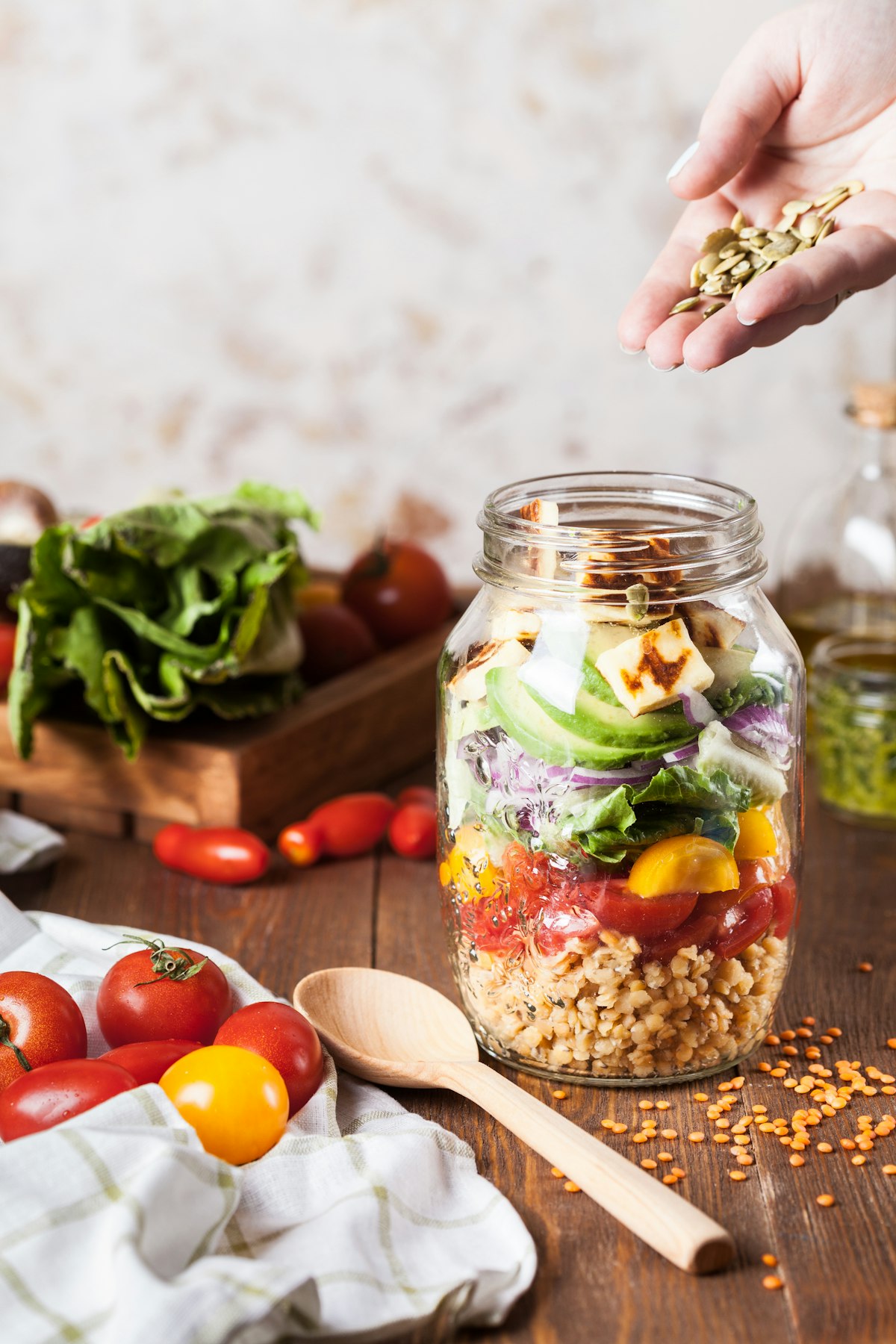
- Mason Jar Sprouting Technique: Soak 2 tablespoons of seeds in water overnight in a wide-mouth quart jar fitted with a stainless steel mesh screen lid. Rinse and drain thoroughly twice daily, storing the jar inverted at a 45-degree angle in a cool, dark cabinet.
- The 3-Day Peak Harvest: Harvest the sprouts on day 3 or 4 when tiny green cotyledons emerge. Research demonstrates that 3-day-old sprouts contain up to 50 times higher glucoraphanin concentrations than mature broccoli heads.
- The Freezing & Blending Hack: Place fresh sprouts in the freezer for at least 4 hours before consuming. Ice crystal formation ruptures the plant cell walls, allowing myrosinase and glucoraphanin to mix immediately upon thawing, doubling active sulforaphane yield.
Synergy with Mustard Seed: Restoring Inactivated Myrosinase
For individuals who prefer cooked cruciferous vegetables over raw sprouts, culinary biochemistry offers an ingenious method to restore sulforaphane production: the mustard seed hack.
Because mustard seeds (Sinapis alba) are also cruciferous seeds, they contain high concentrations of an exceptionally heat-stable form of myrosinase. When you cook broccoli or cauliflower (destroying the vegetable’s native enzymes), simply adding a pinch (1/4 teaspoon) of raw ground mustard seed powder to the warm vegetables immediately reintroduces active myrosinase. The exogenous enzyme hydrolyzes the remaining glucoraphanin in the cooked broccoli, boosting active sulforaphane formation by upwards of 400% compared to cooked vegetables alone.
Do not waste money on generic broccoli extract supplements that lack active myrosinase. The gold standard clinical protocol is consuming 30g to 50g of fresh, raw 3-day-old broccoli sprouts daily (frozen and blended to maximize cellular rupture and enzymatic conversion), or taking a dual-chamber standardized formula yielding a verified 30mg to 35mg of true free sulforaphane. This provides unmatched Nrf2 cytoprotection, enhances Phase II detoxification, and protects cellular longevity.
For deeper evidence-based nutritional biochemical protocols, read our clinical breakdown on LP(a) Cardiovascular Risk: Bloodwork Testing Protocols.