
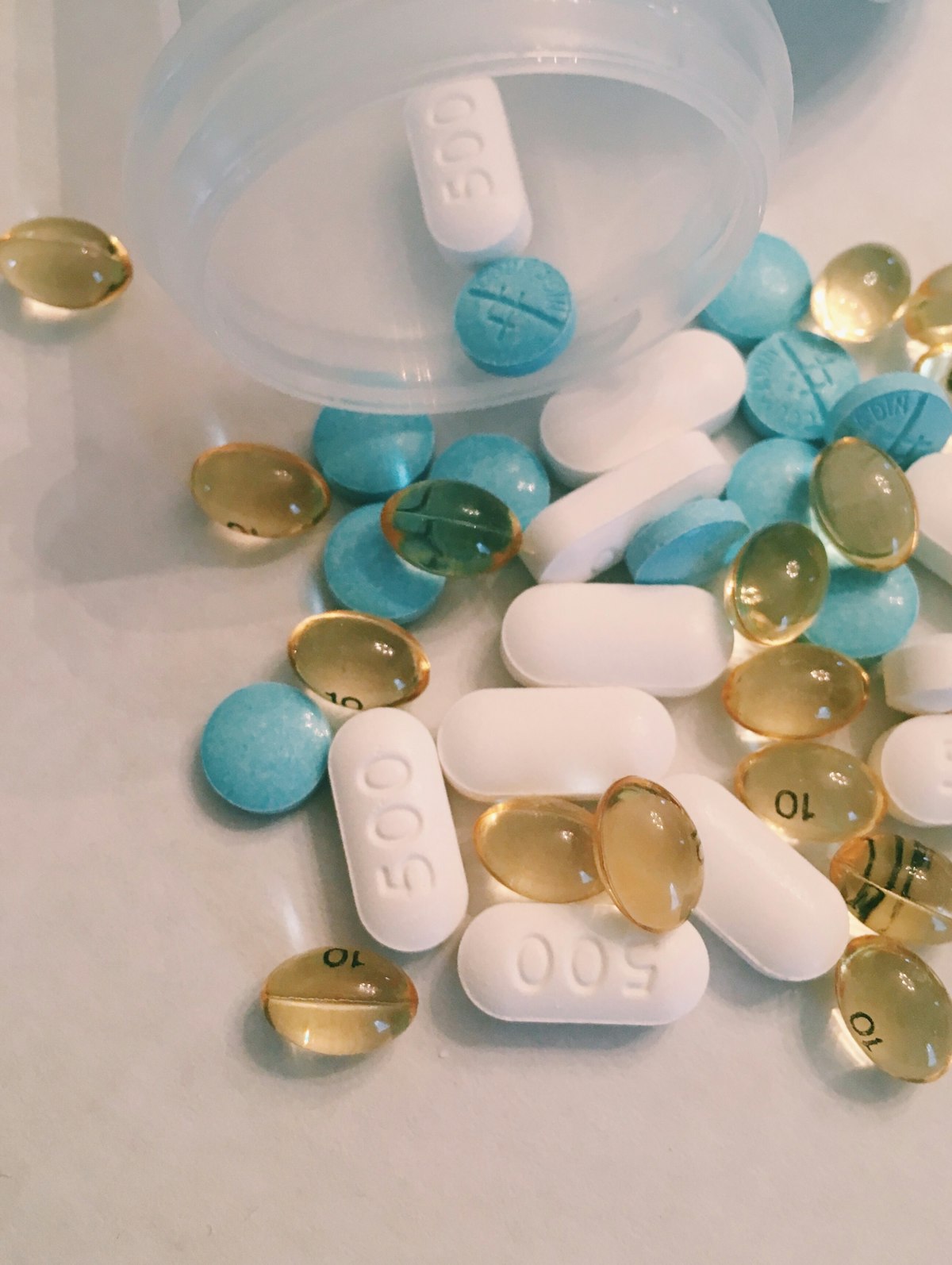
- Intestinal Enzyme vs Systemic Mitochondrial Inhibition: Acarbose acts locally in the small intestine as a competitive inhibitor of alpha-glucosidase and pancreatic alpha-amylase, with less than 2% systemic systemic absorption. Metformin is absorbed systemically, accumulating in hepatic tissue and mitochondria.
- ITP Lifespan Trial Superiority: In the National Institute on Aging (NIA) Interventions Testing Program (ITP), Acarbose extended median lifespan by an extraordinary 22% in male mice and 5% in females, significantly outperforming Metformin which failed to produce statistically significant lifespan gains in healthy non-diabetic male mice.
- Exercise Compatibility Advantage: Because Acarbose does not inhibit mitochondrial respiratory Complex I, it has zero inhibitory effect on exercise-induced mitochondrial biogenesis or VO2 max adaptations, making it far superior to Metformin for athletic longevity populations.
- Formulation Cross-Links: Connect this metabolic analysis with our foundational Clinical Longevity Stacks Guide and our deep dive on ApoB Cardiovascular Risk Testing.
In the quest to conquer biological aging, maintaining strict glycemic control is paramount. Chronic postprandial glucose excursions drive systemic inflammation, accelerate arterial endothelial dysfunction, and generate advanced glycation end-products (AGEs) that stiffen collagen throughout the human body.
For years, Metformin enjoyed a near-monopoly as the premier pharmaceutical intervention for longevity enthusiasts. However, rigorous data from the National Institute on Aging (NIA) Interventions Testing Program (ITP) has caused a monumental paradigm shift in geroscience. Acarbose—an unassuming microbial pseudo-tetrasaccharide that acts strictly inside the gut—demonstrated far superior lifespan extension in animal models while eliminating the mitochondrial and athletic performance trade-offs associated with systemic metformin use.
Acarbose vs Metformin: What Is the Difference?
Acarbose works locally in the gut to slow carbohydrate breakdown, blunting postprandial glucose spikes without entering systemic circulation or interfering with athletic training. Metformin enters systemic tissues to inhibit liver glucose output and mitochondrial Complex I, but can blunt exercise adaptations in healthy athletes.
To determine which glucose-modulating agent belongs in your longevity stack, let us compare their molecular pharmacokinetics, clinical trials, and real-world side effect profiles.
Acarbose vs Metformin Clinical Comparison Matrix
The following pharmacology matrix contrasts Acarbose against Metformin across biological targets, clinical longevity data, and physiological parameters:
| Pharmacological Parameter | Acarbose (Precose) | Metformin (Glucophage) | Longevity Significance |
|---|---|---|---|
| Site of Action | Small intestine brush border (Local) | Systemic (Hepatocytes, muscle, mitochondria) | Acarbose has < 2% systemic absorption; zero liver burden. |
| Primary Target Enzyme | Alpha-glucosidase & pancreatic amylase | Mitochondrial Complex I & AMPK | Acarbose delays starch digestion into simple glucose. |
| NIA ITP Lifespan Result | +22% in males (Consistently replicated) | Statistically non-significant in healthy males | Acarbose is one of the most robust longevity drugs in ITP history. |
| Impact on Exercise Adaptations | Zero inhibition (100% exercise compatible) | Blunts mitochondrial biogenesis and VO2 max gains | Acarbose is vastly superior for athletes and strength trainers. |
| Microbiome Remodeling | Shifts starches to colon; boosts SCFA/butyrate | Increases Akkermansia muciniphila | Both compounds exert profound beneficial prebiotic actions. |
The Mechanism of Acarbose: Carbohydrate Pacing and Gut Butyrate
When you consume a meal rich in complex carbohydrates (rice, potatoes, bread), salivary and pancreatic amylase break down starches into oligosaccharides. Enzymes on the brush border membrane of the small intestine—specifically maltase, sucrase, and glucoamylase—cleave these sugars into free glucose, which is rapidly absorbed via SGLT1 transporters, causing an acute postprandial glucose spike.
Acarbose is a microbial natural product that binds to alpha-glucosidase enzymes with a binding affinity roughly 15,000 times greater than sucrose. By acting as a competitive reversible inhibitor, Acarbose does not block carbohydrate absorption entirely; instead, it dramatically flattens the absorption curve:
- Glucose absorption is delayed and distributed over four to six hours rather than surging into the bloodstream in a 45-minute spike.
- Unabsorbed complex starches migrate further down the gastrointestinal tract into the cecum and ascending colon.
- Colonic anaerobic microflora ferment these starches into high concentrations of Short-Chain Fatty Acids (SCFAs), particularly butyrate, propionate, and acetate. Butyrate feeds colonocytes, tightens gut mucosal junctions, and suppresses systemic systemic inflammation.
Why Athletes Choose Acarbose Over Metformin
The primary point of friction for non-diabetic fitness enthusiasts considering Metformin is the landmark 2019 MASTERS trial. In healthy older adults undergoing aerobic exercise training, metformin blunted the improvement in whole-body VO2 max by 50% and impaired skeletal muscle mitochondrial respiration adaptations compared to placebo.
Because Metformin enters muscle cell mitochondria and mildly inhibits Complex I, it blunts the acute reactive oxygen species (ROS) burst required to trigger mitochondrial biogenesis (PGC-1alpha activation). For active athletes and fitness enthusiasts, this represents an unacceptable performance compromise.
Acarbose completely bypasses this limitation. Because it remains confined to the lumen of the gut with virtually zero systemic absorption, it does not touch muscle mitochondria. You achieve flat postprandial glucose curves without sacrificing strength, hypertrophy, or cardiovascular endurance gains.
Acarbose Titration Protocol and Dietary Synergy
To completely avoid gastrointestinal side effects while maximizing metabolic healthspan, clinical physicians utilize a slow upward titration schedule:
- Week 1 (Low-Dose Initialization): Ingest 25mg of Acarbose with dinner only. This allows the colonic microbiome to adapt to incoming undigested starches, preventing rapid gas formation.
- Week 2 to 3 (Bi-Daily Escalation): Increase dosage to 25mg twice daily with lunch and dinner.
- Week 4+ (Full Therapeutic Maintenance): Escalate to 50mg taken with the very first bite of each major meal containing complex carbohydrates.
- Dietary Macronutrient Balance: Acarbose is specifically engineered for complex carbohydrates (rice, oats, sweet potatoes, grains). If a meal consists strictly of protein and healthy fats, Acarbose provides zero benefit and should be omitted.
Comparative Gut Microbiome Dynamics: Akkermansia vs Butyrate Producers
Both Acarbose and Metformin exert profound, life-extending effects on the human gut microbiome, but through distinct bacterial phyla:
- Metformin and Akkermansia muciniphila: Metformin administration increases the relative abundance of Akkermansia muciniphila, an anaerobic bacterium that lives in the intestinal mucosal layer. Akkermansia feeds on mucin, stimulating the gut lining to produce fresh protective mucus, enhancing intestinal barrier integrity and reducing circulating endotoxins (LPS).
- Acarbose and Faecalibacterium prausnitzii: By delivering complex, intact starches to the large intestine, Acarbose selectively feeds Faecalibacterium prausnitzii and Bifidobacterium species. These specialized microbes ferment resistant starches into butyrate, which serves as the primary energy source for human colonocytes, suppresses histone deacetylases (HDACs), and prevents colonic polyps.
While Metformin remains a valuable metabolic medication for insulin-resistant individuals, Acarbose is the superior geroscience compound for healthy, athletic longevity populations. It yields superior lifespan extension in ITP animal trials (+22%), flattens glycemic spikes without blunting exercise adaptations, and acts as a powerful prebiotic that boosts gut butyrate production. Ingest 50mg to 100mg with the first bite of carbohydrate-heavy meals for optimal postprandial protection.
For deeper evidence-based nutritional biochemical protocols, read our clinical breakdown on Berberine Phytosome: Bioavailability & Glucose Dosing.