
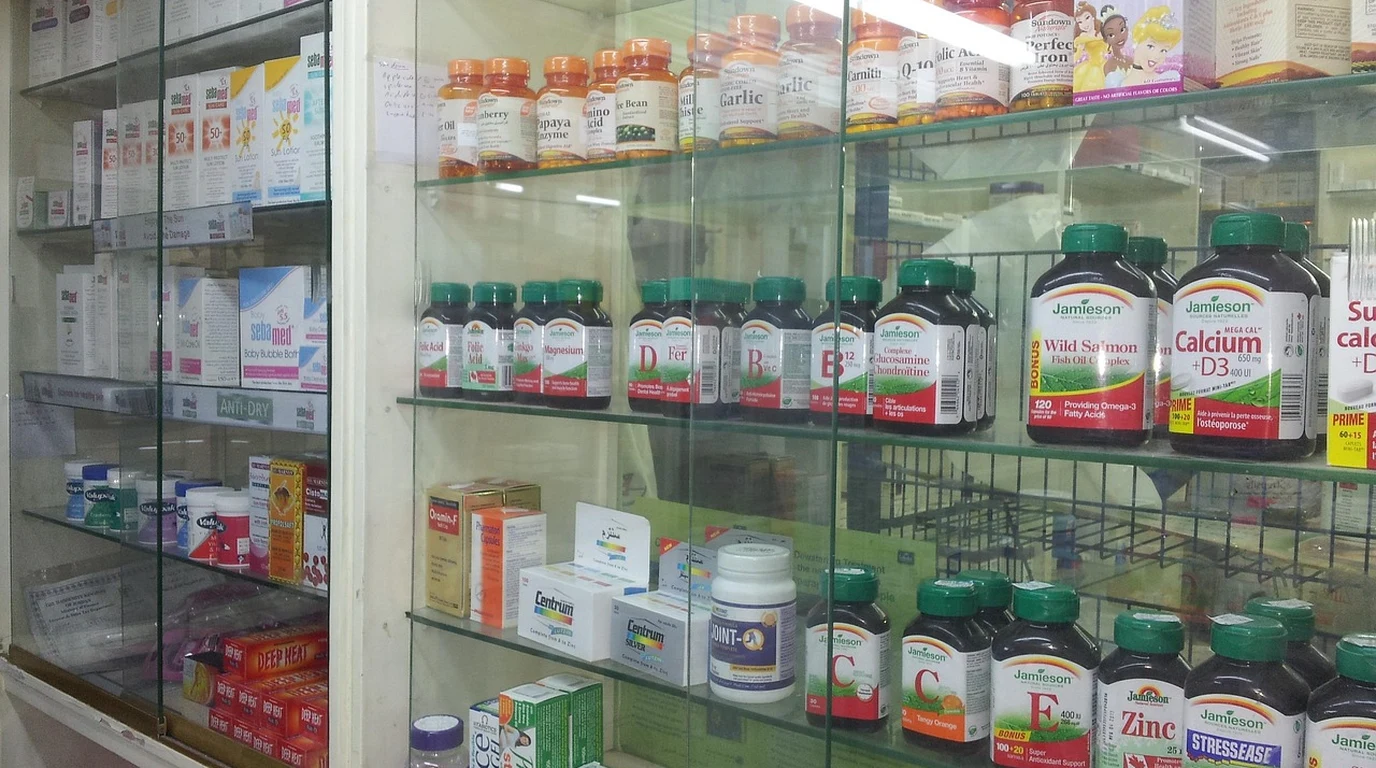
In the aftermath of global viral respiratory health concerns, zinc cemented its status as one of the most widely consumed dietary mineral supplements on earth. Millions of health-conscious individuals ingest 30mg, 50mg, or even 100mg of elemental zinc every single day under the assumption that more is inherently better for immune surveillance, testosterone synthesis, and cellular repair.
Yet across clinical functional medicine practices, hematology departments, and neurology clinics, physicians are diagnosing an alarming surge in an unintended medical complication: iatrogenic zinc-induced copper deficiency. When an individual megadoses isolated zinc without understanding intestinal transporter saturation and competitive mineral antagonism, they inadvertently trigger the synthesis of mucosal block proteins that starve their body of bioavailable copper—leading to progressive normocytic anemia, severe neutropenia, elevated LDL cholesterol, and irreversible spinal cord neurological damage.
Furthermore, consumer supplement shelves are crowded with vastly different chemical chelation forms—from cheap, poorly absorbed zinc sulfate and zinc oxide to advanced chelates like Zinc Bisglycinate and Zinc Picolinate. Understanding the molecular absorption mechanics of these two dominant forms, alongside the non-negotiable 15:1 Zinc-to-Copper balance ratio, is essential to securing the immune benefits of trace mineral therapy while eliminating dangerous toxicity traps.
Which Is Better: Zinc Bisglycinate or Zinc Picolinate?
To understand why the chemical salt or chelate form dictates clinical outcomes, one must inspect how minerals are absorbed across the enterocytes of the human duodenum and jejunum. Elemental minerals cannot simply float across cellular lipid bilayers; they rely on specific protein transporter channels.
In standard inorganic mineral salts (like zinc sulfate, zinc gluconate, or zinc oxide), the bond between the zinc cation ($Zn^{2+}$) and the inorganic anion readily dissociates in the acidic gastric environment of the stomach. The free, charged zinc ion arrives in the small intestine, where it must compete with other divalent cations (like iron $Fe^{2+}$, copper $Cu^{2+}$, and calcium $Ca^{2+}$) for transport across the Divalent Metal Transporter 1 (DMT1) and the ZIP4 transporter. Furthermore, free zinc ions irritate the gastric mucosa, causing the notorious nausea and stomach burning that millions experience after taking zinc on an empty stomach.
To solve this, advanced formulations utilize organic chelates:
- Zinc Picolinate: Zinc is complexed with picolinic acid, a natural pyridinecarboxylic acid derivative produced by the pancreas during tryptophan metabolism. Picolinic acid acts as an efficient zinc carrier, delivering robust systemic absorption in clinical comparative trials. However, zinc picolinate still dissociates into free ions in the intestinal lumen, causing mild-to-moderate gastric irritation in sensitive individuals and triggering heavy competitive antagonism against dietary copper.
- Zinc Bisglycinate (TRAACS): Zinc is chemically chelated to two molecules of the amino acid glycine, forming a stable heterocyclic ring structure. The bond is so resilient that the molecule remains fully intact through the acidic stomach environment. Upon reaching the small intestine, the body does not recognize it as a charged metal ion; it absorbs it as a neutral dipeptide via the PEPT1 (Peptide Transporter 1) pathway. This delivers superior oral bioavailability, eliminates gastric nausea entirely, and drastically reduces competitive transporter interference with other minerals.
Trace Mineral Rules at a Glance
- The 15:1 Balance Ratio: For every 15mg of elemental zinc consumed, your body requires approximately 1.0mg of bioavailable copper to prevent deficiency.
- The Metallothionein Trap: Doses of zinc exceeding 40mg/day stimulate excessive intestinal metallothionein, which irreversibly traps copper in gut cells.
- Gentle on the Stomach: Zinc bisglycinate bypasses stomach acid dissociation, ending the common nausea associated with zinc pills.
- Optimal Daily Ceiling: Healthy adults should never exceed 30mg of elemental zinc daily for routine maintenance.
The Metallothionein Trap: How Megadosing Zinc Destroys Copper
The biochemical mechanism by which excess zinc causes severe copper deficiency is elegant, dangerous, and widely misunderstood. It is governed by a specialized intracellular metal-binding protein called metallothionein.
When high concentrations of zinc enter intestinal mucosal cells (enterocytes), zinc binds to metal-responsive transcription factors, triggering a massive up-regulation of metallothionein synthesis. Metallothionein’s biological purpose is to bind excess intracellular metals to prevent toxic free-radical damage. However, metallothionein possesses a binding affinity for copper that is approximately 1,000 times higher than its affinity for zinc.
Consequently, when any dietary copper enters the intestinal cell, the abundant metallothionein instantly seizes the copper ion, locking it irreversibly inside the enterocyte. The trapped copper is completely blocked from passing into the bloodstream to bind to ceruloplasmin. When the intestinal enterocytes naturally shed and slough off every 3 to 5 days, the trapped copper is excreted into the stool and lost. Over a period of several months, continuous daily doses of 50mg+ of zinc completely deplete whole-body copper stores, causing:
- Sideroblastic & Normocytic Anemia: Copper is the mandatory cofactor for hephaestin and ceruloplasmin, the ferroxidase enzymes that convert iron from $Fe^{2+}$ to $Fe^{3+}$ so it can bind to transferrin. Without copper, iron cannot leave storage, causing severe anemia that does not respond to iron supplements.
- Profound Neutropenia: White blood cell neutrophil counts plummet, leaving the individual ironically immunocompromised by the very supplement they took to boost immunity.
- Subacute Combined Myelopathy: Copper is required for cytochrome c oxidase and myelin sheath maintenance. Severe deficiency causes progressive sensory ataxia, numbness, and tingling that mimics Vitamin B12 deficiency (and can cause permanent paralysis if untreated).
Forensic Chelation Matrix: Comparing Zinc Forms
The table below provides a forensic pharmaceutical comparison of the most common commercial zinc chelation forms, detailing elemental yield, absorption pathways, and gastric tolerability.
| Zinc Chelate / Salt Form | Elemental Zinc Yield | Absorption Pathway & Transporter | Gastric Nausea Risk & Clinical Verdict |
|---|---|---|---|
| Zinc Bisglycinate (TRAACS) | ~20% to 28% | Intact Dipeptide Pathway (PEPT1) | Zero Gastric Nausea. Highest bioavailable retention; optimal daily choice. |
| Zinc Picolinate | ~20% | DMT1 / ZIP4 Carrier Mediated | Moderate Nausea Risk. High absorption, but strongly antagonizes copper. |
| Zinc Gluconate | ~14% | Dissociates to Free $Zn^{2+}$ (DMT1) | Moderate absorption; standard ingredient in cold lozenges. |
| Zinc Sulfate | ~23% (Hydrated) | Inorganic Ion Dissociation | Severe Gastric Nausea. Cheap hospital prescription form; poorly tolerated. |
| Zinc Oxide | ~80% (Inactive) | Extremely Low Intestinal Solubility | Almost completely unabsorbed (<3%). Cheap filler in multivitamin formulas. |
Never supplement zinc in isolation. The human body evolved to consume minerals in complex balance, and modern high-dose single-mineral supplements are an evolutionary mismatch. For daily health and immune resilience, cap elemental zinc at 15mg to 30mg, strictly avoid cheap zinc oxide, and insist on Zinc Bisglycinate Chelate to bypass stomach nausea. Most importantly, ensure your formula includes 1mg to 2mg of Copper Bisglycinate to maintain a strict 15:1 ratio. This simple mathematical rule protects your neurological integrity, supports healthy iron metabolism, and delivers true immune optimization.
The 4:00 PM Actionable Mineral Optimization Checklist
To audit and correct your daily zinc supplementation protocol starting today, follow this clinical checklist:
- Audit Your Supplement Facts Panel: Check your multivitamin, immune formula, and standalone zinc bottles. Add up the total elemental zinc you ingest daily. If the combined total exceeds 40mg per day, immediately reduce your dosage.
- Verify the Chelate Form: Look for
Zinc Bisglycinate Chelate(such as Albion TRAACS) on the label. Discard products utilizing zinc oxide or zinc sulfate, which cause severe gastric distress and exhibit negligible absorption. - Enforce the 15:1 Zinc-to-Copper Rule: If your zinc supplement does not contain copper, add an independent 1mg to 2mg dose of Copper Bisglycinate (or Sebacate). Alternatively, purchase a balanced co-formulated product providing 15mg Zinc + 1mg Copper or 30mg Zinc + 2mg Copper in a single capsule.
- Order a Serum Ceruloplasmin & Copper Blood Test: If you have supplemented with high-dose zinc (>40mg/day) for longer than 6 months, ask your physician for a serum copper and serum ceruloplasmin test. If copper falls below 70 ug/dL, pause all zinc supplementation immediately to allow metallothionein down-regulation.
Adaptogenic herbal modulation functions synergistically with balanced trace minerals. Study our clinical dosing rules in KSM-66 vs Sensoril: Ashwagandha Dosing & Cortisol.