
In the hierarchy of geroscience and molecular anti-aging interventions, maintaining cellular quality control is the paramount prerequisite for biological healthspan. As human cells age, they accumulate damaged, misfolded proteins, toxic protein aggregates (such as tau and amyloid-beta), and critically, dysfunctional, hyper-reactive mitochondria. These degraded mitochondria—incapable of efficient oxidative phosphorylation—leak colossal quantities of reactive oxygen species (ROS) into the cytoplasm, trigger the NLRP3 inflammasome, and drive chronic systemic senescence (inflammaging).
To eliminate this intracellular biological waste, the body relies on two evolutionary conserved cellular recycling processes: macro-autophagy (the bulk degradation and recycling of cytoplasmic organelles and proteins via double-membrane autophagosomes) and mitophagy (the selective, surgical targeting and destruction of damaged mitochondria). At the vanguard of clinical longevity supplementation stand two premier biomolecules: Spermidine (the premier inducer of general macro-autophagy via EP300 inhibition) and Urolithin A (the first clinically validated postbiotic inducer of targeted mitochondrial mitophagy via the PINK1/Parkin signaling pathway). For physicians, longevity researchers, and dedicated biohackers, choosing between or combining these molecules requires understanding their distinct biochemical targets, pharmacokinetic limitations, and human clinical trial endpoints. In this comprehensive cornerstone masterclass, we present the definitive biochemical comparison between Urolithin A and Spermidine, examine human muscle endurance and biomarker data, and formulate the ultimate synergistic cellular recycling protocol.
- Broad vs. Surgical Cellular Recycling: Spermidine stimulates general macro-autophagy across all cellular compartments by inhibiting the histone acetyltransferase EP300, whereas Urolithin A selectively triggers mitophagy, recycling exclusively degraded mitochondria without activating generalized bulk protein turnover.
- The Microbiome Conversion Bottleneck: Urolithin A is an ellagitannin postbiotic naturally produced in the gut from pomegranates, walnuts, and berries. However, human clinical studies confirm that less than 40% of the population possesses the specific gut microbiome taxa (primarily Gordonibacter urolithinfaciens and Ellagibacter isohanstatus) required to synthesize therapeutic amounts, making pure synthetic supplementation mandatory for 60%+ of humans.
- Human Clinical Proof in Muscle Endurance: In double-blind, placebo-controlled human clinical trials published in JAMA Network Open and Nature Aging, 1,000 mg daily of pure Urolithin A for 4 months increased hamstring muscle endurance by 12% and significantly enhanced VO2 max and aerobic peak power in middle-aged adults with zero change in exercise routine.
- Complementary Synergy: Urolithin A and Spermidine do not compete for the same receptors. Combining 1,000 mg of Urolithin A with 3 mg to 5 mg of high-purity Spermidine delivers concurrent systemic proteostasis and targeted mitochondrial quality control.
What Is the Exact Biochemical Difference Between Urolithin A and Spermidine?
To grasp why these two molecules have captured the attention of world-leading longevity institutes (including the Buck Institute for Research on Aging and the Swiss Federal Institute of Technology in Lausanne), one must understand the distinct challenges of cellular quality control.
Every somatic cell in the human body is engaged in a continuous struggle between synthesis and degradation. In youth, cellular degradation pathways operate with high efficiency. Misfolded proteins are rapidly captured by chaperones and routed to the 26S proteasome, while dysfunctional organelles are engulfed by autophagosomes and delivered to lysosomes for enzymatic hydrolysis. By middle age, however, autophagic flux declines by up to 70%. Damaged mitochondria linger in the cytoplasm, leaking cytochrome c and mitochondrial DNA (mtDNA) into the cytosol, where they activate the cGAS-STING pathway—triggering chronic, systemic immune activation.
Spermidine Biochemistry: Epigenetic Control of Macro-Autophagy
Spermidine is an endogenous aliphatic polyamine containing three amine groups separated by carbon chains. It is present in all eukaryotic cells and plays an indispensable role in maintaining chromatin structure, stabilizing RNA, and regulating translation.
1. The EP300 Histone Acetyltransferase Inhibition Axis
The primary molecular mechanism through which spermidine stimulates autophagy is independent of the classical mTOR pathway. Unlike rapamycin or caloric restriction (which induce autophagy by directly inhibiting mTOR Complex 1), spermidine acts epigenetically. Spermidine competitively binds to and inhibits histone acetyltransferase EP300 (E1A-associated protein p300).
Under normal basal conditions, EP300 continuously acetylates core autophagy-related proteins (including ATG5, ATG7, LC3, and BECN1), keeping them in an inactive, suppressed state. When spermidine inhibits EP300, these essential autophagy proteins become rapidly de-acetylated. This de-acetylation triggers the immediate nucleation of the isolation membrane (phagophore), engulfing damaged cytoplasmic proteins, protein fibrils, and aggregate-prone proteins (such as alpha-synuclein and huntingtin) for lysosomal destruction.
2. TFEB Nuclear Translocation
Simultaneously, spermidine promotes the dephosphorylation and nuclear translocation of Transcription Factor EB (TFEB)—the master gene regulator of the Coordinated Lysosomal Expression and Regulation (CLEAR) network. In the nucleus, TFEB upregulates the transcription of dozens of genes responsible for lysosome biogenesis, lysosomal acidification, and autophagosome-lysosome fusion, dramatically expanding the cell’s enzymatic waste-processing bandwidth.
Urolithin A Biochemistry: Selective Mitophagy via PINK1/Parkin
While spermidine cleans the broad cytoplasmic environment, Urolithin A operates as a precision guided missile targeted exclusively at the mitochondrial network.
1. The PINK1/Parkin Activation Cascade
In healthy mitochondria, the inner mitochondrial membrane maintains a strong electrical polarization (mitochondrial membrane potential, Delta-Psi-m of approximately -150 to -180 mV). The kinase PINK1 (PTEN-induced kinase 1) is continuously imported into the inner membrane, where it is cleaved by the protease PARL and rapidly degraded by the proteasome.
When a mitochondrion suffers severe oxidative damage or electron leakage, its membrane potential collapses (depolarization). In depolarized mitochondria, PINK1 cannot be imported; instead, it accumulates and stabilizes on the outer mitochondrial membrane (OMM). Once stabilized, PINK1 phosphorylates both ubiquitin and the E3 ubiquitin ligase Parkin. Phosphorylated Parkin translocates from the cytosol to the damaged mitochondrion, where it coats outer-membrane proteins with dense poly-ubiquitin chains. These ubiquitin chains act as high-affinity ‘eat-me’ flags recognized by autophagy receptors (OPTN, p62, NDP52), which dock the damaged organelle into a growing autophagosome for immediate lysosomal degradation.
2. Urolithin A Restores Mitochondrial Membrane Clearance
In aging human tissues, the endogenous PINK1/Parkin signaling axis becomes desensitized, allowing semi-functional, depolarized mitochondria to escape clearance. Urolithin A directly restores and amplifies the sensitivity of the PINK1/Parkin recruitment cascade. By systematically eliminating the bottom 20% most dysfunctional mitochondria, Urolithin A triggers a compensatory rebound in mitochondrial biogenesis driven by PGC-1alpha. The surviving mitochondrial population is newer, denser, and generates significantly more ATP per molecule of oxygen consumed.
Forensic Comparison Matrix: Urolithin A vs. Spermidine
The table below provides a forensic biochemical and clinical comparison between pharmaceutical Urolithin A and high-purity natural Spermidine:
| Biochemical Dimension | Urolithin A (Mitopure / Synthetic) | Spermidine (Wheat Germ / Trihydrochloride) | Clinical & Mechanistic Impact |
|---|---|---|---|
| Primary Molecular Target | Selective Mitophagy (PINK1/Parkin) | Broad Macro-Autophagy (EP300 / TFEB) | Urolithin A repairs energetics; Spermidine clears proteotoxicity |
| Natural Dietary Source | Pomegranate, walnuts (via gut microbes) | Fermented soy, wheat germ, aged cheese | 60%+ humans cannot produce Urolithin A naturally |
| Standard Human Clinical Dose | 500 mg – 1,000 mg daily (Capsules) | 3 mg – 6 mg daily (Active Spermidine) | Clinically validated trial dosing ranges |
| Human Clinical Trial Endpoints | +12% muscle endurance; improved VO2 max | Improved cognitive scores in elderly; hair growth | Urolithin A leads in physical skeletal muscle data |
| Impact on Plasma Acylcarnitines | Significant reduction (efficient fatty acid beta-oxidation) | Minimal direct impact on acylcarnitines | Urolithin A dramatically boosts mitochondrial fat-burning |
As detailed in our clinical analysis of NAD+ kinetics and cellular energy replenishment, combining mitochondrial mitophagy (Urolithin A) with NAD+ precursors ensures that newly generated mitochondria have the biochemical fuel required for maximum ATP production.
The 40% Producer Bottleneck: Why Pomegranate Juice Fails for Most People
One of the most widespread nutritional myths is that drinking a glass of pomegranate juice delivers therapeutic quantities of Urolithin A. The clinical science completely refutes this assumption.
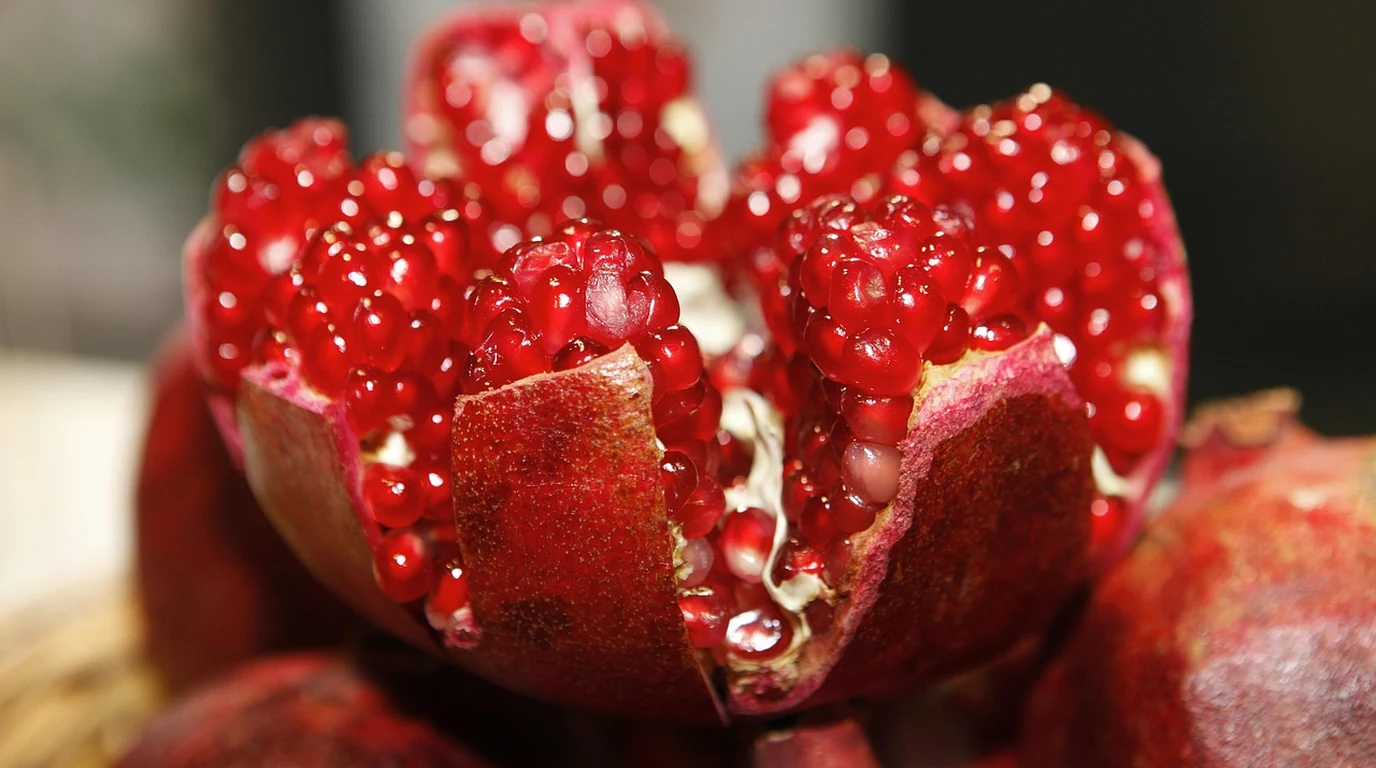
Pomegranates, raspberries, and walnuts do not contain a single microgram of Urolithin A. They contain ellagitannins (complex polyphenols such as punicalagin). When consumed, ellagitannins are hydrolyzed in the stomach and small intestine into ellagic acid. Ellagic acid then travels to the colon, where specific gut bacterial strains must biotransform it through a multi-step lactone-cleavage pathway into Urolithin A.
Extensive clinical microbiome profiling conducted by Amazentis and the University of Lausanne revealed that only 30% to 40% of adult humans possess the specific gut microbiome taxa (specifically Gordonibacter urolithinfaciens, Gordonibacter pamelaeae, and Ellagibacter isohanstatus) required to complete this chemical conversion. For the remaining 60% to 70% of individuals—termed ‘non-producers’—drinking a gallon of pomegranate juice yields zero measurable Urolithin A in plasma, while loading the body with dozens of grams of unwanted fructose. Exogenous supplementation with pure, bioavailable Urolithin A bypasses the gut microbiome entirely, delivering direct therapeutic plasma concentrations in 100% of humans.
The Synergistic Cellular Recycling Stack: Protocol & Timing
Because Urolithin A and Spermidine operate via orthogonal, non-overlapping biochemical mechanisms, they represent the ultimate synergistic pairing for cellular longevity:
- Urolithin A Morning Protocol: Ingest 1,000 mg of pure Urolithin A with breakfast (or a small amount of dietary fat, such as avocado or olive oil, to maximize intestinal micellar absorption). This primes the mitochondrial network for efficient ATP generation throughout the active workday.
- Spermidine Fasting Window: Ingest 3 mg to 5 mg of active Spermidine in the evening or during your fasting window (e.g., during intermittent fasting hours). Because spermidine mimics the epigenetic effects of caloric restriction, administering it during low-insulin, low-glucose states synergistically amplifies autophagic flux across brain and liver tissue.
Clinical Biomarkers: How to Measure Mitophagy and Autophagy in Bloodwork
One of the primary historical challenges in clinical longevity medicine was the inability to measure cellular recycling directly in living human patients without invasive muscle biopsies. Over the past three years, specialized metabolomic and proteomic blood assays have unlocked powerful surrogate biomarkers for monitoring autophagic and mitophagic flux:
1. Plasma Acylcarnitine Profiles (C2 – C18)
When mitochondria become damaged, their ability to execute fatty acid beta-oxidation is crippled. Incomplete fatty acid oxidation causes intermediate metabolites—specifically medium- and long-chain acylcarnitines—to spill into the bloodstream. In clinical trials of Urolithin A, a 4-month intervention produces a statistically significant, 15% to 25% reduction in circulating plasma acylcarnitines, confirming that fatty acid flux through Complex I–IV of the electron transport chain has been restored to youthful efficiency.
2. Circulating Cell-Free Mitochondrial DNA (cf-mtDNA)
When degraded mitochondria fail to undergo lysosomal degradation via mitophagy, the failing organelle eventually undergoes necrotic rupture. This rupture dumps fragmented, unmethylated bacterial-like mitochondrial DNA (cf-mtDNA) directly into systemic circulation. Circulating cf-mtDNA binds directly to Toll-Like Receptor 9 (TLR9) and the cGAS-STING cytosolic DNA sensor, triggering massive production of inflammatory type I interferons. Baseline cf-mtDNA testing provides an objective metric of systemic mitochondrial decay; effective mitophagy protocols dramatically suppress circulating cf-mtDNA levels within 60 to 90 days.
Pulsatile Dosing vs. Continuous Exposure: Preventing Autophagic Exhaustion
A crucial pharmacological consideration in longevity design is the distinction between physiological, pulsatile cellular stress and chronic, non-stop catabolic depletion. Autophagy is fundamentally a catabolic, self-eating biological process. If macro-autophagy is forced into overdrive continuously without adequate periods of nutrient recovery and anabolism, the body risks excessive proteolysis, skeletal muscle wasting, and impaired tissue repair.
To optimize this delicate balance between cellular cleansing and structural rebuilding, implement a pulsatile administration strategy:
- Urolithin A (Continuous Baseline): Take 500 mg to 1,000 mg daily without interruption. Because Urolithin A selectively targets the bottom tier of depolarized mitochondria without accelerating bulk cytoplasmic protein breakdown, continuous daily intake maintains constant mitochondrial membrane quality control.
- Spermidine (Pulsatile Cycling): Administer 3 mg to 6 mg of active Spermidine on a 5-days-on / 2-days-off weekly schedule, or cycle it in 3-week blocks alternating with 1 week of higher-protein anabolic recovery. This pulsatile cadence triggers robust waves of cytoplasmic aggregate clearance while preserving lean muscle mass and supporting endogenous polyamine synthesis.
Urolithin A and Spermidine are not competing alternatives; they are the two complementary halves of modern cellular housekeeping. Spermidine cleans the broader cytoplasmic house by clearing misfolded protein aggregates and maintaining nuclear chromatin fidelity, while Urolithin A systematically dismantles and rebuilds the mitochondrial power plants that generate life-sustaining ATP. For individuals over 40 seeking to maintain peak physical muscle endurance and prevent age-associated mitochondrial decline, stacking 1,000 mg of Urolithin A with 3–5 mg of Spermidine represents the absolute gold standard of longevity medicine.
Before designing pharmacological longevity protocols targeting mTOR and AMPK, review intracellular mitophagy and organelle recycling pathways. Read our clinical teardown: Rapamycin vs Metformin: Anti-Aging Human Trial Math.