Ashwagandha has surged to the forefront of modern neuro-endocrinology as the gold-standard adaptogen for hypothalamic-pituitary-adrenal (HPA) axis regulation. Double-blind, placebo-controlled trials consistently demonstrate its capacity to lower circulating serum cortisol by 22% to 32%, reduce Perceived Stress Scale (PSS) scores, and enhance sleep quality. However, patients and biohackers frequently experience completely divergent subjective effects from different commercial bottles.
One user reports heightened mental clarity and sustained workout stamina, while another experiences profound daytime lethargy, cognitive fog, and unshakeable drowsiness. This clinical divergence is almost universally traced back to a fundamental pharmacological distinction: the choice between KSM-66 and Sensoril.
What Is the Difference Between Sensoril and KSM-66 Ashwagandha?
To understand the biological mechanisms, we must examine the specific plant chemistry and extraction technologies deployed by their respective patent holders (Ixoreal Biomed for KSM-66 and Natreon/Kerry for Sensoril):
- KSM-66 Ashwagandha (Root-Only Tradition): Formulated to adhere strictly to classical Ayurvedic pharmacology, KSM-66 uses only the roots of Withania somnifera. The extraction process utilizes green chemistry (a pre-treatment with milk solids, followed by water extraction) that preserves the natural full-spectrum balance of root alkaloids and withanolides at a standardized 5% withanolide content via HPLC. It features undetectable levels of Withaferin A (<0.1%), preventing cellular cytotoxicity.
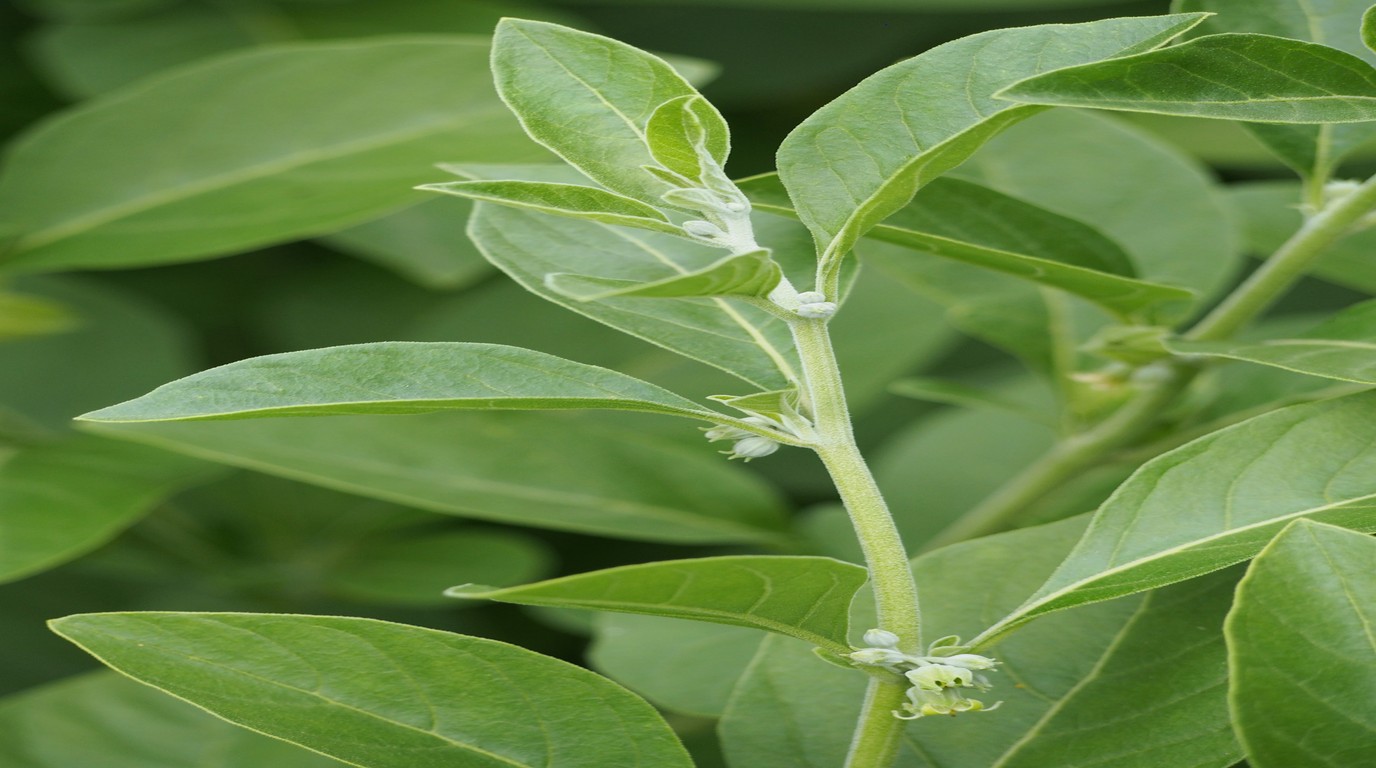
- Sensoril Ashwagandha (Root + Leaf High Potency): Sensoril combines both the roots and the aerial leaves of the plant. Because the leaves contain significantly higher concentrations of withanolide glycosides (withanoside IV and withanoside VI) and withaferin derivatives, Sensoril achieves a concentrated 10% withanolide glycoside yield. This dual-source extraction yields double the bioactive potency per milligram, dramatically altering its neurological receptor affinity.
Why Does Sensoril Cause More Sedation and Sleepiness Than KSM-66?
The sedative contrast between the two extracts is explained by their differing interaction with the central nervous system’s primary inhibitory neurotransmitter system:
- GABA-Mimetic Potency: The leaf-derived withanosides in Sensoril bind directly to allosteric sites on the GABA-A receptor complex, mimicking the hyperpolarizing influx of chloride ions triggered by endogenous GABA. This dampens sympathetic nervous system tone, slows high-frequency beta brainwaves, and triggers physical muscle relaxation.
- Thyroid Hormone Modulation: KSM-66 has been demonstrated in clinical trials to gently stimulate thyroid hormone synthesis (increasing circulating T3 and T4 levels), which supports metabolic rate, thermogenesis, and alert physical energy. Sensoril does not exhibit significant pro-thyroid activity, biasing the patient toward parasympathetic dominance.
| Clinical Parameter | KSM-66 Ashwagandha | Sensoril Ashwagandha | Shoden Ashwagandha | Raw Ashwagandha Powder |
|---|---|---|---|---|
| Plant Parts Used | 100% Root only | Roots + Aerial Leaves | Roots + Leaves | Dried raw root |
| Standardized Withanolide Content | 5% Withanolides (HPLC) | 10% Withanolide Glycosides | 35% Withanolide Glycosides | 0.2% – 1.0% (Unstandardized) |
| Subjective Cognitive Effect | Calm focus, energizing, physical drive | Sedating, heavy muscle relaxation, anti-panic | Ultra-potent sedation / Somatic calm | Mild / Highly variable |
| Ideal Dosing Schedule | Morning / Midday with meals | Evening / 45 min before bed | Evening / Pre-bed | Twice daily with warm milk |
| Standard Daily Clinical Dose | 300mg – 600mg / day | 125mg – 250mg / day | 60mg – 120mg / day | 3,000mg – 5,000mg / day |
| Primary Clinical Applications | Athletic VO2 max, testosterone, work stress | Insomnia, nocturnal cortisol spikes, panic | Severe sleep architecture disturbance | General tonic / culinary use |
Withaferin A Cytotoxicity & Liver Safety: Separating Myths From Clinical Facts
In recent years, internet wellness forums have raised alarms regarding Withaferin A—a steroidal lactone present in Withania somnifera leaves that exhibits anti-tumor cytotoxicity at high pharmaceutical dosages. Critics cautioned that leaf-containing extracts like Sensoril might induce hepatotoxicity or liver enzyme elevations.
However, toxicological audits and human clinical trials refute this concern for certified patented extracts. In Sensoril, the extraction process rigorously limits Withaferin A to less than 0.5%. Extensive pharmacokinetic safety evaluations demonstrate zero elevation in serum alanine aminotransferase (ALT), aspartate aminotransferase (AST), or bilirubin at clinical doses of 125mg to 250mg daily. Reported cases of ashwagandha-induced liver injury in medical literature are almost universally associated with adulterated, unstandardized bulk powders contaminated with heavy metals or synthetic pharmaceutical analogs.
To prevent receptor desensitization and emotional blunting (anhedonia), our clinical practice enforces strict cycling protocols: 8 weeks on, 2 weeks off, as detailed in our comparative analysis of Rhodiola Rosea vs. Ashwagandha: Adaptogen Cycling & Cortisol Protocols.
Frequently Asked Questions About Sensoril vs KSM-66
Can I take KSM-66 in the morning and Sensoril at night?
Yes. This “circadian sandwich” protocol is highly effective for high-stress executives and athletes. Taking 300mg of KSM-66 in the morning mitigates daytime work anxiety while preserving motivation and mental clarity. Taking 125mg of Sensoril 45 minutes before bedtime blunts nocturnal cortisol surges and accelerates sleep onset.
Why does KSM-66 sometimes cause emotional numbness or anhedonia?
Chronic, uncycled ashwagandha supplementation can lead to excessive 5-HT1A serotonin receptor downregulation and excessive cortisol blunting. Cortisol is not just a “stress hormone”; baseline physiological cortisol is required for emotional responsiveness, excitement, and drive. If you experience emotional blunting, discontinue use for 14 days and reduce your daily dose.
Which extract is better for building muscle and boosting testosterone?
KSM-66 is overwhelmingly backed by athletic clinical trials. Studies on resistance-trained men administering 600mg of KSM-66 daily demonstrated statistically significant increases in serum testosterone (+15% to +18%), bench press 1-rep max, and muscle recovery rates compared to placebo.
Need to blunt high daytime cortisol without the sedative or thyroid effects of withanolides? Read our clinical analysis of Phosphatidylserine vs. Ashwagandha for Cortisol in 2026: HPA-Axis & ACTH Blunting.