
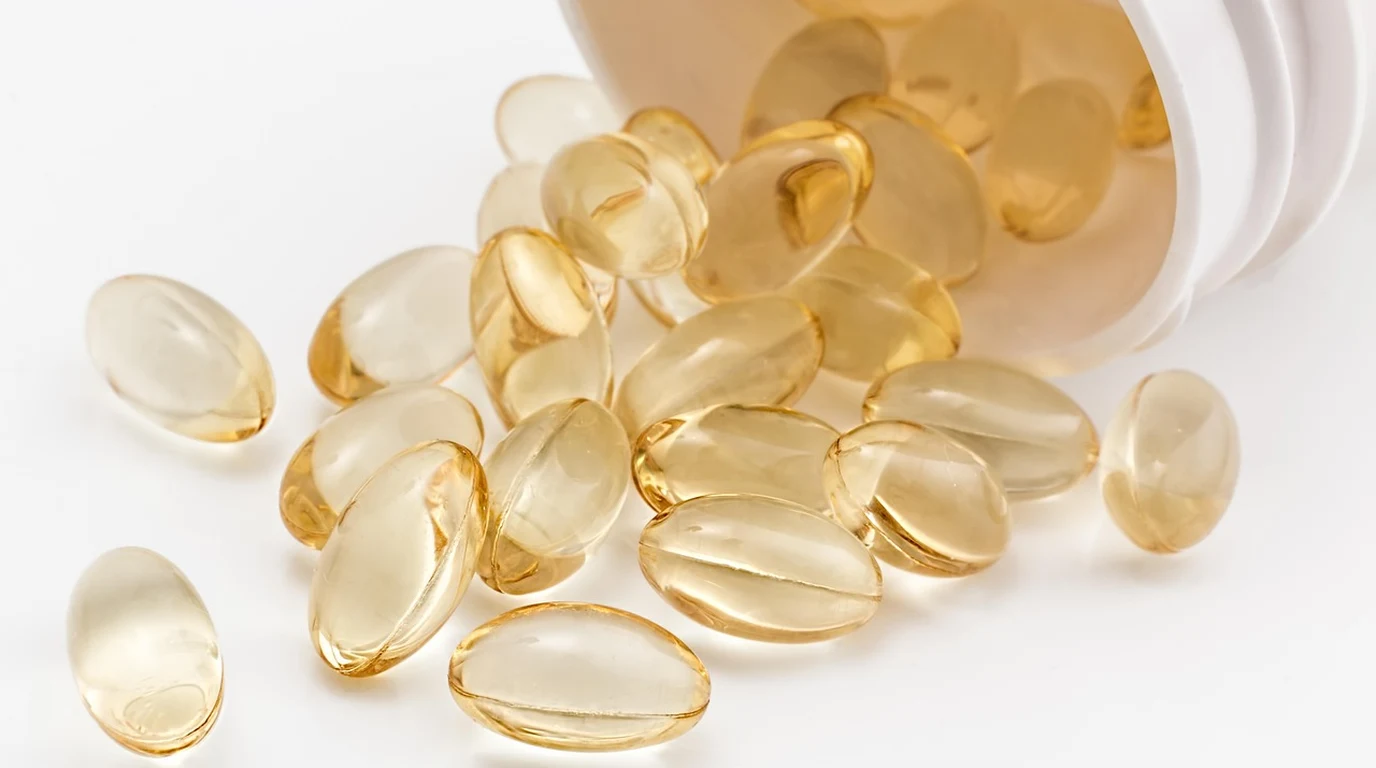
- The REDUCE-IT Landmark Trial: The landmark REDUCE-IT cardiovascular trial demonstrated that 4 grams daily of purified Icosapent Ethyl (pure EPA ethyl ester) reduced major adverse cardiovascular events (MACE) by a staggering 25% in high-risk statin-treated patients.
- The DHA Atrial Fibrillation Paradox: While generic over-the-counter fish oils blend EPA and DHA, high-dose DHA elevates LDL-C particles and exhibits an increased incidence of new-onset atrial fibrillation (AFib) compared to pure EPA monotherapy.
- Cell Membrane Fluidity vs Plaque Stabilization: Pure EPA incorporates selectively into atherosclerotic plaque fibrous caps, preventing macrophage foam cell apoptosis and stabilizing rupture-prone vulnerable lesions without raising circulating LDL particle counts.
In preventative cardiovascular medicine and longevity optimization, omega-3 fatty acid supplementation has historically been viewed as a blunt commodity. Millions of health-conscious individuals purchase generic “1,000mg Fish Oil” softgels from retail grocery shelves, assuming that all polyunsaturated fatty acid formulations deliver uniform arterial protection.
However, modern cardiovascular clinical trials have shattered this simplistic paradigm. Over-the-counter dietary fish oils—which contain variable blends of EPA, DHA, and rancid oxidized lipid fractions—have repeatedly failed to demonstrate significant reductions in cardiovascular mortality in major randomized trials (such as the STRENGTH trial). Conversely, prescription-grade Icosapent Ethyl (pure eicosapentaenoic acid ethyl ester) achieved unprecedented 25% relative risk reductions in major adverse cardiovascular events. Understanding the biochemical divergence between pure EPA and EPA/DHA blends is the critical line dividing arterial plaque stabilization from wasted supplement expenditure.
What Is Icosapent Ethyl?
Direct Answer: Icosapent Ethyl (marketed under the trade name Vascepa) is a pharmaceutical-grade, highly purified, esterified form of eicosapentaenoic acid (EPA) that contains zero docosahexaenoic acid (DHA), formulated to lower serum triglycerides and reduce major cardiovascular events without elevating LDL cholesterol.
The defining characteristic of Icosapent Ethyl is the complete eradication of docosahexaenoic acid (DHA). In typical retail fish oil, a standard 1,000mg capsule contains roughly 300mg of total omega-3s (typically 180mg EPA and 120mg DHA), with the remaining 700mg consisting of saturated fats, mono-unsaturated fats, and non-target marine fatty acids. Even premium “triple strength” concentrates deliver a 2:1 or 3:2 ratio of EPA to DHA.
While DHA is vital for neural development, retinal membrane fluidity, and fetal brain structure, high-dose DHA exerts undesirable metabolic effects in adult cardiovascular patients. Multiple pharmacotherapy trials have confirmed that high-dose DHA downregulates hepatic LDL receptor expression, triggering a clinically significant 5% to 15% increase in serum LDL cholesterol. Pure EPA (Icosapent Ethyl) lowers serum triglycerides by up to 33% through PPAR-alpha activation while leaving LDL-C completely unperturbed.
Icosapent Ethyl vs. Standard Fish Oil: The Clinical Evidence Matrix
The following clinical matrix compares prescription Icosapent Ethyl against standard dietary fish oil across landmark human trial endpoints:
| Clinical Parameter | Icosapent Ethyl (Pure EPA Ethyl Ester) | Standard Dietary Fish Oil (EPA + DHA) | Cardiovascular Outcome Verdict |
|---|---|---|---|
| Landmark Clinical Trial | REDUCE-IT (8,179 patients, 4.9 yr follow-up) | STRENGTH (13,078 patients, halted early) | REDUCE-IT proved positive; STRENGTH failed to show benefit. |
| Primary MACE Risk Reduction | 25% Relative Risk Reduction (p < 0.001) | 0% (Hazard Ratio 0.99, Not Significant) | Pure EPA delivers profound hard cardiovascular event protection. |
| Impact on Serum LDL-C | Neutral / Zero Increase | Elevates LDL-C by +5% to +15% (DHA effect) | Icosapent Ethyl avoids sabotaging statin/ApoB lowering therapy. |
| Coronary Plaque Volume (EVAPORATE Trial) | -17% Reduction in Low-Attenuation Plaque | Plaque progression continues unabated | Proves true regression of dangerous soft necrotic lipid plaques. |
The EVAPORATE Trial: Reversing Soft Vulnerable Plaque on CCTA
The definitive mechanistic trial demonstrating how Icosapent Ethyl works at the arterial wall level is the EVAPORATE trial (Effect of Icosapent Ethyl on Progression of Coronary Atherosclerosis on Coronary Computed Tomography Angiography).
Using multi-detector coronary computed tomography angiography (CCTA), researchers tracked the exact volumetric composition of coronary artery plaques in patients over 18 months. The trial revealed that 4 grams daily of Icosapent Ethyl produced a 17% regression in low-attenuation plaque (LAP)—the lipid-rich, thin-cap fibroatheroma most prone to acute rupture and sudden myocardial infarction. Standard fish oil has never demonstrated plaque regression in rigorous imaging trials.
The Oxidation Problem in Over-the-Counter Fish Oil
A major confounding factor in generic fish oil failure is lipid peroxidation. Omega-3 fatty acids possess multiple conjugated double bonds that are chemically fragile and prone to rapid free-radical oxidation when exposed to heat, light, and oxygen during processing and long-term shelf storage.
Independent consumer lab testing repeatedly uncovers that over 30% of commercial over-the-counter fish oils exceed voluntary limits for Total Oxidation (TOTOX) value. Ingesting oxidized lipids delivers malondialdehyde and lipid hydroperoxides directly into vascular circulation, triggering endothelial inflammation and neutralizing the putative anti-inflammatory benefits of the fatty acids. Prescription Icosapent Ethyl undergoes nitrogen-blanketed pharmaceutical purification, ensuring a certified TOTOX value approaching zero.
If your cardiovascular objective is secondary prevention, high-risk plaque stabilization, or significant triglyceride reduction, standard retail fish oil is obsolete. The clinical evidence overwhelmingly favors high-dose pure EPA (Icosapent Ethyl at 4 grams daily with meals). Not only does it deliver a proven 25% reduction in major cardiovascular events, but it actively regresses vulnerable coronary plaque without elevating atherogenic LDL particles. Save generic DHA blends for cognitive and neural protocols, and use pure EPA for the arterial wall.
The 4:00 PM Actionable Omega-3 Optimization Protocol
To upgrade your cardiovascular lipid strategy based on the latest clinical pharmacology, execute these four tactical steps today:
Tactical Cardiovascular Omega-3 Checklist
- Audit Your Current Omega-3 Label: Calculate the exact milligrams of EPA versus DHA. If your supplement delivers under 60% total EPA or contains un-esterified crude fish oil, transition to pharmaceutical-grade pure EPA or high-purity rTG EPA.
- Target Clinical Trial Dosing (2g–4g Daily): The proven cardiovascular event reduction demonstrated in REDUCE-IT required 4 grams of Icosapent Ethyl daily (split as 2g with breakfast and 2g with dinner). Sub-therapeutic doses (under 1g daily) show negligible plaque impact.
- Test the Omega-3 Index via Red Blood Cell Analysis: Order an RBC Omega-3 Index lab test. Target an erythrocyte membrane EPA+DHA concentration between 8% and 11% for optimal cardiovascular longevity.
- Monitor for Atrial Fibrillation Symptoms: High-dose omega-3 therapy carries a slight, dose-dependent risk of new-onset atrial fibrillation (especially in patients with prior arrhythmia history). Monitor resting heart rate and ECG telemetry via smartwatch alerts.
For deeper analysis on mitochondrial longevity protocols and clinical cell rejuvenation trials, review our guide on Urolithin A vs Mitopure: Mitophagy & Human Trials.