
If you have spent any time evaluating athletic performance or longevity supplements, you have witnessed the endless marketing noise surrounding creatine. Supplement brands frequently promote exotic chemical derivatives—promising instantaneous cellular absorption, zero gastric distress, and zero subcutaneous water retention—all at a 400% price premium over standard micronized powder. In this landscape, the central debate focuses on Creatine Monohydrate versus Creatine Hydrochloride (HCL). While proponents of Creatine HCL claim that attaching a hydrochloride salt group revolutionizes bioavailability and eliminates the need for high-dose loading phases, clinical pharmacokinetics paints a far more nuanced picture. For athletes, longevity practitioners, and biohackers seeking optimal intramuscular phosphocreatine saturation and cognitive ATP replenishment, separating biochemical marketing from peer-reviewed clinical trial data is essential.
What Is the Difference Between Creatine Monohydrate and Creatine HCL?
Creatine HCL exhibits approximately 38 times greater aqueous solubility than Creatine Monohydrate due to its lower molecular pH, allowing it to dissolve completely in small volumes of water. However, once ingested and dissolved in acidic gastric juice (pH 1.5–2.0), both forms dissociate into identical free creatine molecules. Human pharmacokinetic trials demonstrate zero difference in final intramuscular phosphocreatine saturation between Monohydrate and HCL when equivalent elemental creatine doses are consumed.
To understand the physiological kinetics of creatine absorption, one must dissect what happens after oral ingestion. Creatine Monohydrate consists of a single creatine molecule bound to one water molecule (yielding roughly 87.9% pure elemental creatine by weight). Monohydrate is notoriously hydrophobic at room temperature: dissolving a standard 5-gram serving requires approximately 250 to 300 milliliters of warm liquid. When athletes consume poorly dissolved monohydrate crystals suspended in cold water, undissolved particles pass into the small intestine. In individuals with sensitive gastrointestinal tracts, these concentrated crystals exert an osmotic pull, drawing water into the intestinal lumen and occasionally inducing transient cramping or diarrhea.
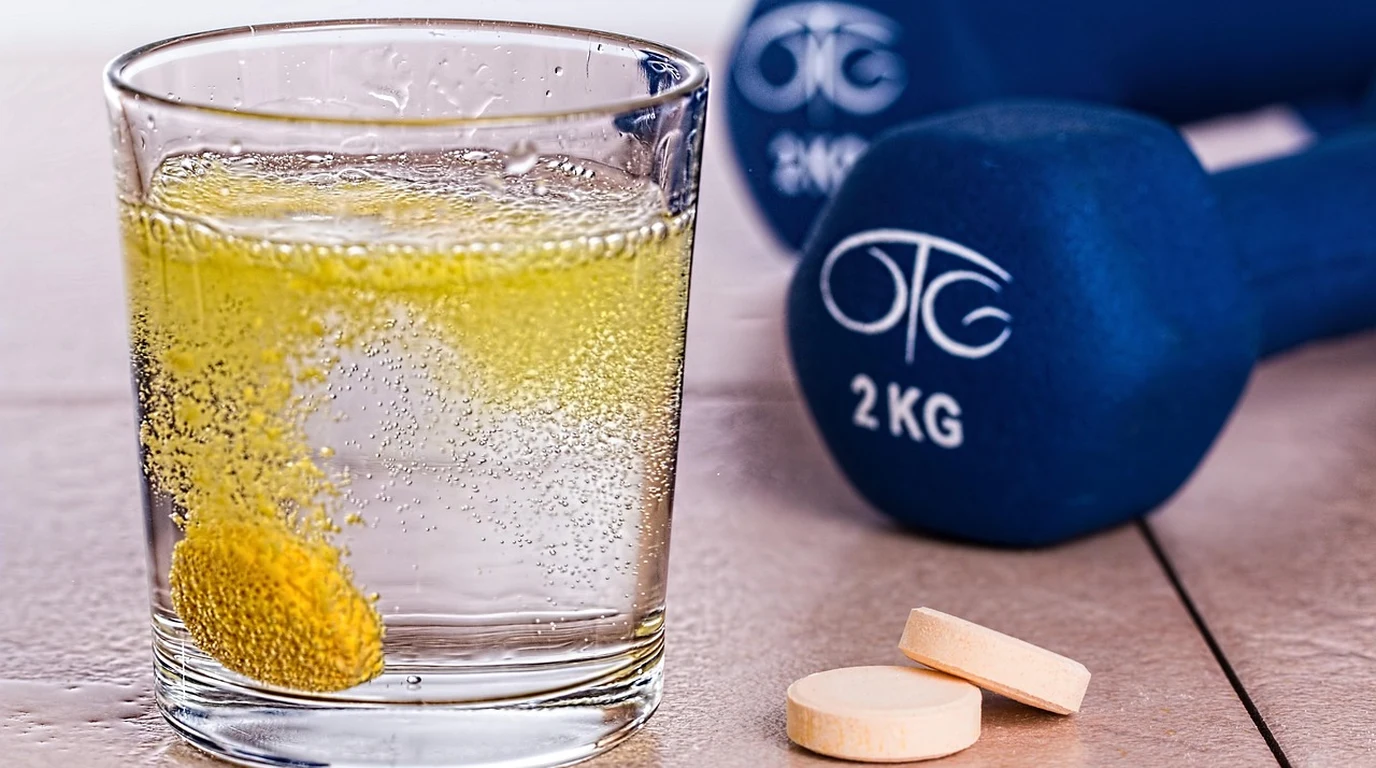
Creatine Hydrochloride (HCL) addresses this specific physical limitation by chemically binding creatine to a hydrochloride group (yielding approximately 78.2% elemental creatine by weight). The addition of the hydrochloride group lowers the compound’s pH, dramatically increasing aqueous solubility. A standard 1.5-gram dose of Creatine HCL dissolves instantaneously in as little as 100 milliliters of cold water without sedimentation. For individuals who experience genuine gastrointestinal distress from high-volume monohydrate suspensions, Creatine HCL provides meaningful physical relief by eliminating osmotic intestinal pulling.
Creatine Monohydrate vs Creatine HCL: Clinical Pharmacokinetics Matrix
Evaluating the biochemical properties, dosing requirements, and clinical evidence across both forms clarifies their practical utility:
| Biochemical Parameter | Creatine Monohydrate (Creapure Standard) | Creatine Hydrochloride (HCL) | Clinical Significance |
|---|---|---|---|
| Elemental Creatine Yield | 87.9% Elemental Creatine by weight | 78.2% Elemental Creatine by weight | Monohydrate delivers 12% more pure creatine per gram. |
| Aqueous Solubility (20°C) | ~14 grams per Liter (Low) | ~530 grams per Liter (Extremely High) | HCL dissolves in small liquid volumes instantly. |
| Gastric Dissociation | Dissociates into free creatine in stomach acid | Dissociates into free creatine in stomach acid | Identical chemical entity presented to SLC6A8 transporters. |
| Intramuscular Saturation Dose | 3 to 5 grams daily (or 20g/day loading for 5 days) | 3 to 4 grams daily (Micro-dosing is insufficient) | Marketing claims of 750mg HCL efficacy lack clinical proof. |
| Cost per 5g Elemental Dose | $0.12 to $0.18 per serving | $0.65 to $0.95 per serving | Monohydrate is 4x to 6x more cost-effective. |
The “Micro-Dosing” Myth: Why 750mg of HCL Fails
The most pervasive marketing deception surrounding Creatine HCL is the assertion that users only need 750 milligrams to 1.5 grams daily to achieve peak saturation. Supplement manufacturers argue that because HCL is 38 times more soluble, smaller doses achieve identical physiological effects. This claim fundamentally confuses solubility with cellular transporter kinetics.
Regardless of whether creatine enters the bloodstream from Monohydrate or HCL, it must be actively transported across muscle cell membranes by Sodium- and Chloride-dependent Creatine Transporters (SLC6A8 / CRT). The human body naturally breaks down approximately 2 grams of intramuscular creatine daily into creatinine, which is excreted by the kidneys. To increase total muscle phosphocreatine stores above baseline, you must exceed this daily degradation rate. Consuming a 750-milligram dose of Creatine HCL provides approximately 586 milligrams of elemental creatine—far below the daily turnover threshold. Multiple independent clinical trials have confirmed that micro-dosing Creatine HCL fails to significantly elevate muscle phosphocreatine or enhance 1RM strength compared to standard 3–5g monohydrate regimens.
Water Retention: Intracellular Hydration vs Subcutaneous Bloat
Another major selling point used to market Creatine HCL is the promise of “zero water retention.” In fitness circles, water retention is often demonized as soft, bloated tissue. However, this reveals a fundamental misunderstanding of cellular physiology.
When creatine is transported into skeletal muscle cells, it pulls water with it via osmosis into the intracellular compartment. This cellular swelling is not a negative side effect; it is a primary anabolic signal. Increased intracellular hydration stimulates protein synthesis, reduces protein breakdown, enhances cellular glycogen storage, and improves mechanical leverage during resistance training. Creatine does not cause extracellular or subcutaneous water retention under the skin unless paired with excessive sodium intake or high-glycemic carbohydrates. Both Monohydrate and HCL increase intracellular water volume when dosed sufficiently to achieve true saturation.
For 90% of individuals, pure micronized Creatine Monohydrate (preferably Creapure) remains the undisputed gold standard. Backed by over thirty years of clinical research and hundreds of peer-reviewed trials, it delivers maximum phosphocreatine saturation and cognitive ATP support at unmatched value. However, if you are among the 10% of individuals who suffer genuine gastrointestinal distress, bloating, or osmotic diarrhea from monohydrate despite dissolving it in warm water, Creatine HCL is an effective, highly soluble alternative—provided you dose it at 3 to 4 grams daily to ensure full cellular saturation rather than relying on ineffective sub-gram micro-doses.
Intramuscular ATP synthesis pairs directly with cerebral magnesium transport. Explore blood-brain barrier transport kinetics in our clinical investigation on Magnesium L-Threonate: Blood-Brain Barrier Deep Dive.
Frequently Asked Questions
Do I need to do a loading phase with Creatine Monohydrate?
A loading phase (20 grams daily divided into four 5g doses for 5–7 days) saturates muscle phosphocreatine stores in approximately one week. However, taking a maintenance dose of 3 to 5 grams daily achieves identical muscle saturation within 28 days with zero risk of gastrointestinal upset.
Does Creatine HCL cause less kidney strain than Monohydrate?
Neither form causes kidney dysfunction in healthy individuals. Creatine supplementation naturally elevates serum creatinine (a harmless breakdown byproduct used in standard kidney blood panels), which can be mistaken for reduced eGFR on standard lab tests. Testing Cystatin C provides an accurate measure of kidney function unaffected by creatine supplementation.
Can I take Creatine Monohydrate with caffeine?
While acute co-ingestion of high-dose caffeine (5mg/kg) alongside creatine may modestly blunt muscle relaxation time during explosive training, chronic daily supplementation of creatine alongside morning coffee does not impair overall muscle saturation or strength gains.
Insulin-mediated glucose disposal directly accelerates phosphocreatine resynthesis in skeletal muscle. Review clinical saturation protocols in our guide on Berberine vs Metformin: AMPK Activation & Real Dosage.