
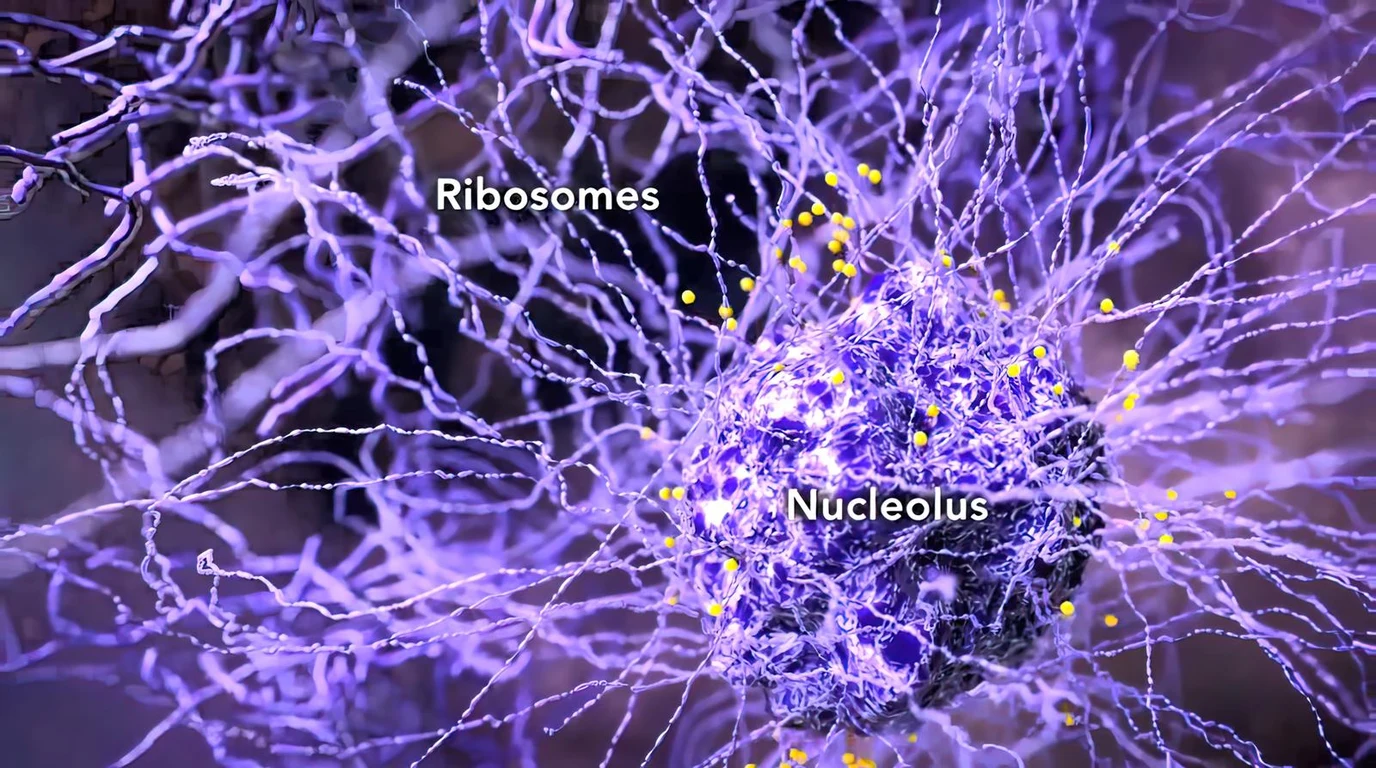
In the clinical science of cellular rejuvenation and geroscience, human longevity is governed by a fundamental biological balance: the rate of macromolecular damage accumulation versus the rate of cellular recycling. As human tissues age, our cells accumulate dysfunctional, damaged organelles and misfolded protein aggregates that leak reactive oxygen species (ROS), trigger chronic sterile inflammation (inflammaging), and drive cellular senescence. To reverse this cellular decline, researchers focus on two primary intracellular clearance pathways: macro-autophagy (the bulk recycling of cytosolic debris and senescent proteins) and mitophagy (the targeted, selective degradation and recycling of defective mitochondria). Two naturally occurring molecules have emerged as the premier therapeutic candidates targeting these pathways: Urolithin A and Spermidine. While wellness marketing often lumps them together as generic “autophagy boosters,” their molecular targets, cellular mechanisms, tissue distributions, and clinical trial outcomes are fundamentally distinct. Here is Ryan Cole’s forensic clinical trial breakdown of Urolithin A versus Spermidine: mitophagy activation kinetics, Pink1/Parkin signaling, EP300 histone acetyltransferase inhibition, and evidence-based longevity dosing protocols.
What Is the Difference Between Mitophagy and Autophagy?
To understand why targeted mitophagy is critical for human healthspan, one must examine the bioenergetic consequences of mitochondrial decay. Mitochondria are the cellular power plants responsible for generating more than 90% of our cellular adenosine triphosphate (ATP) through oxidative phosphorylation. However, mitochondria are also the primary site of intracellular electron leakage. When an aging mitochondrion loses its membrane potential ($\Delta\Psi_m$), it halts efficient ATP production and begins pouring destructive superoxide anions into the cytosol, damaging mitochondrial DNA (mtDNA) and triggering the NLRP3 inflammasome.
Urolithin A directly triggers the Pink1/Parkin-mediated mitophagy pathway. When a damaged mitochondrion depolarizes, Pink1 (PTEN-induced kinase 1) accumulates on the outer mitochondrial membrane, recruiting the E3 ubiquitin ligase Parkin. Urolithin A accelerates the ubiquitination of outer membrane proteins, signaling the autophagosome to engulf the toxic mitochondrion and fuse with a lysosome for complete enzymatic recycling. This clears space for mitochondrial biogenesis, replacing exhausted organelles with dense, energy-producing mitochondria.
In contrast, Spermidine is a natural polyamine that regulates global proteostasis. Spermidine functions as an endogenous inhibitor of the histone acetyltransferase EP300. By repressing EP300, Spermidine causes deacetylation of core autophagy machinery proteins (including ATG5, ATG7, and LC3), unleashing systemic macro-autophagy across cardiac myocytes, cerebral neurons, and vascular endothelium. Spermidine cleanses the broader cellular cytosol, recycling damaged ribosomes and toxic aggregate proteins like amyloid-beta and alpha-synuclein.
Clinical Comparison Matrix: Urolithin A vs Spermidine
Review the comprehensive biological mechanisms, clinical trial outcomes, and dosing profiles comparing both longevity therapeutics:
| Clinical Parameter | Urolithin A (Mitopure) | Spermidine (Polyamine) |
|---|---|---|
| Primary Molecular Target | Pink1 / Parkin Mitophagy Cascade | EP300 Histone Acetyltransferase Inhibition |
| Primary Target Tissues | Skeletal Muscle, Myocardium, Immune Cells | Cardiovascular Endothelium, Neurons, Hair Follicles |
| Human Clinical Trial Evidence | Multiple Phase 2 RCTs (JAMA / Cell Reports) | Epidemiological cohort trials (Bruneck Study) + small RCTs |
| Verified Physiological Benefits | +12% Muscle Endurance, reduced CRP, improved VO2 max | Arterial stiffness reduction, memory consolidation, hair density |
| Endogenous Production Limitations | Only ~30–40% of people have gut flora to produce it | Declines precipitously with age in all humans |
| Evidence-Based Therapeutic Dosage | 500 mg to 1,000 mg pure synthetic form | 1 mg to 3 mg (Pure) or 800–1200mg wheat germ extract |
| Safety & Toxicology Profile | FDA GRAS status, zero adverse events up to 2,000mg | Extremely safe; caution in active diagnosed neoplasms |
The Urolithin A Gut Microbiome Paradox: Why Dietary Sources Fail
One of the most widespread misconceptions in nutritional bioenergetics is that one can obtain therapeutic levels of Urolithin A simply by drinking pomegranate juice or eating walnuts. Urolithin A does not exist in food. Food contains ellagitannins and ellagic acid—large, complex polyphenol molecules found in the rinds of pomegranates, black raspberries, and oak-aged wines.
When consumed, ellagitannins must be hydrolyzed in the stomach and small intestine, after which specific bacteria residing in the human colon (specifically species from the Gordonibacter urolithinfaciens and Ellagibacter isellophilus families) enzymatically convert ellagic acid into Urolithin A. Clinical biomarker profiling studies conducted by Amazentis and the Swiss Federal Institute of Technology (EPFL) revealed a startling finding: only approximately 30% to 40% of the human population possesses the specific gut microbiome strains required to produce therapeutic Urolithin A. Even among individuals who are natural “producers,” consuming enough pomegranate juice to yield a therapeutic 500mg dose of Urolithin A requires drinking nearly two liters of juice daily, introducing over 250 grams of fructose that spikes insulin and causes metabolic hepatic steatosis. Direct oral supplementation with pure, crystalline Urolithin A bypasses the microbiome bottleneck, delivering direct, bioavailable mitophagy activation to 100% of individuals.
Ryan Cole’s Step-by-Step Longevity Dosing Playbook
To optimize both mitochondrial recycling and systemic cellular autophagy, implement this evidence-based clinical supplementation roadmap:
- Establish Baseline Bioenergetic Markers: Before initiating protocol, test fasting blood biomarkers: hs-CRP (systemic inflammation), fasting insulin, and functional performance metrics (VO2 max treadmill ramp test and grip strength). Re-test at 12 weeks to quantify biological response.
- Dose Urolithin A with Morning Healthy Fats: Take 1,000 mg of pure Urolithin A daily with breakfast containing dietary fats (e.g., pasture-raised eggs, avocado, or Greek yogurt). While Urolithin A has reasonable oral bioavailability, lipid co-ingestion enhances lymphatic chylomicron absorption, maximizing skeletal muscle uptake.
- Incorporate Spermidine During Intermittent Fasting Windows: Take 1mg to 2mg of pure Spermidine (or 1,000mg of standardized high-potency wheat germ extract) during the final hours of an overnight 14-to-16-hour fast. Fasting downregulates mTOR and baseline insulin, creating an optimal metabolic environment for Spermidine to potentiate EP300 inhibition and accelerate deep cytosolic macro-autophagy.
- Synergize with Zone 2 Aerobic Exercise: Pair Urolithin A supplementation with 150 to 180 minutes per week of dedicated Zone 2 cardiovascular training (lactate sustained at 1.5 to 2.0 mmol/L). Zone 2 training stimulates PGC-1alpha-driven mitochondrial biogenesis, perfectly complementing Urolithin A’s mitophagy clearance to populate muscle fibers with youthful, highly efficient mitochondria.
Optimal mitochondrial function forms the foundation of metabolic resilience. Explore clinical insulin biomarkers in our guide on Fasting Insulin vs HbA1c: Insulin Resistance Triad.