
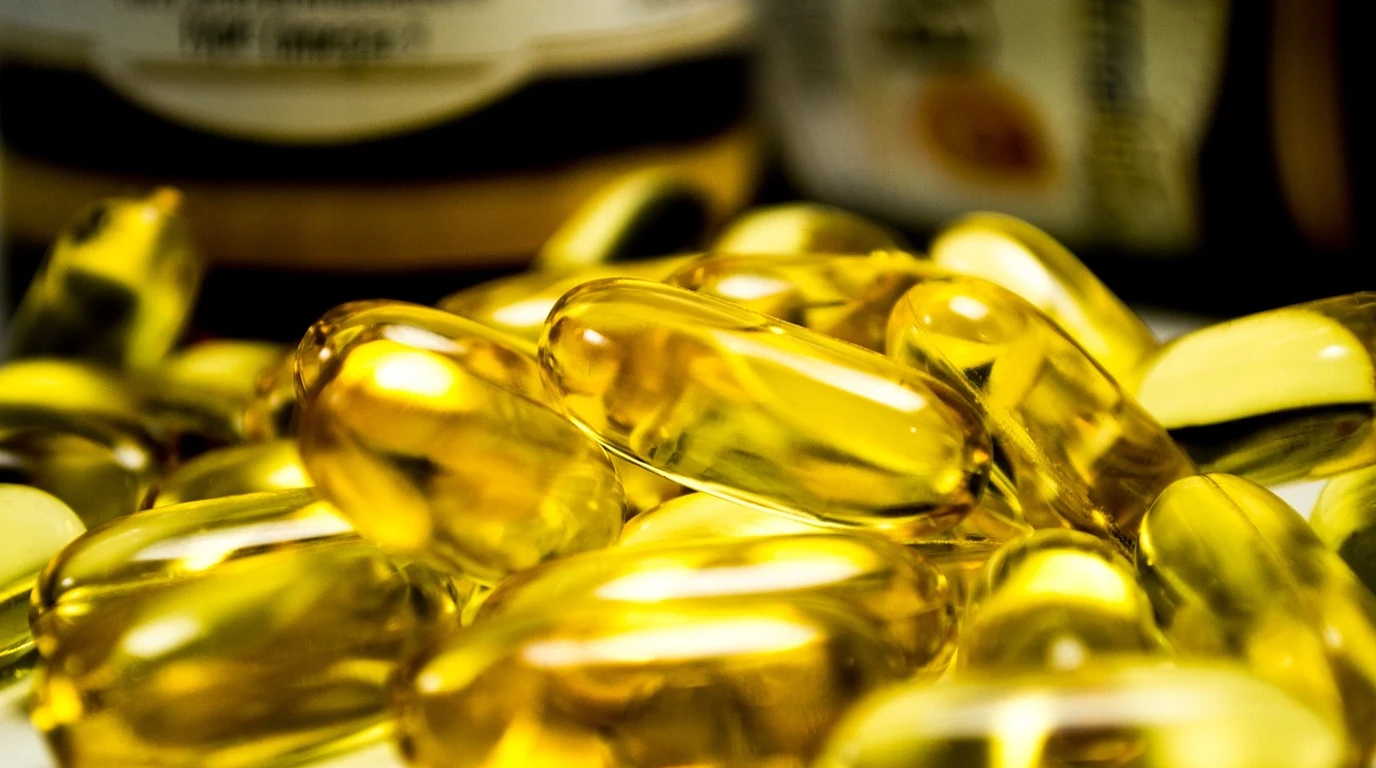
Elevated fasting triglycerides represent a recognized independent marker of cardiovascular disease, atherogenic remnant cholesterol, and metabolic syndrome. When lipid panels return triglycerides exceeding 200 mg/dL (or severe hypertriglyceridemia above 500 mg/dL), physicians and preventative cardiologists frequently turn to high-dose prescription omega-3 fatty acid therapies. However, there is a fundamental clinical distinction between Icosapent Ethyl (Vascepa)—a highly purified EPA-only ethyl ester—and standard Omega-3 Ethyl Ester mixtures (Lovaza / generic fish oils) containing both EPA and DHA. While both lower triglycerides, their impact on LDL particle atherogenicity and cardiovascular event reduction is completely opposed.
What Is the Difference Between Icosapent Ethyl and Omega-3 Ethyl Esters?
The Preventive Cardiology Verdict:
Icosapent ethyl is pure, purified eicosapentaenoic acid (EPA) ethyl ester with zero docosahexaenoic acid (DHA). In the landmark REDUCE-IT trial, 4g/day of icosapent ethyl reduced major adverse cardiovascular events (MACE) by a staggering 25% without raising LDL cholesterol. By contrast, mixed EPA/DHA ethyl esters (Lovaza) frequently trigger an unwanted 15% to 45% increase in atherogenic LDL-C and failed to demonstrate cardiovascular mortality reduction in multiple large-scale trials (STRENGTH trial).
The clinical dilemma centers on the differential lipid particle dynamics of EPA versus DHA. Both EPA and DHA are long-chain polyunsaturated omega-3 fatty acids that suppress hepatic VLDL (Very Low-Density Lipoprotein) synthesis and accelerate peripheral chylomicron clearance by activating lipoprotein lipase (LPL). Both molecules will reliably drive fasting triglycerides down by 20% to 45% at daily therapeutic doses of 4 grams.
However, DHA alters the enzymatic conversion rate of VLDL into LDL. In patients with elevated baseline triglycerides, administering high-dose DHA causes hepatic VLDL particles to be rapidly lipolyzed into dense, circulating LDL particles, leading to a marked rise in serum LDL-C and ApoB. EPA, conversely, reduces VLDL production without stimulating the pathway that elevates circulating LDL-C. By eliminating DHA entirely, icosapent ethyl provides potent triglyceride reduction without destabilizing low-density lipoprotein targets.
Forensic Cardiovascular Trial Comparison: REDUCE-IT vs. STRENGTH
Preventative cardiologists base prescribing guidelines on the contrasting findings of the two largest randomized cardiovascular outcome trials in modern lipidology:
| Trial Metric | REDUCE-IT Trial (Icosapent Ethyl) | STRENGTH Trial (EPA + DHA Carboxylic Acids) |
|---|---|---|
| Active Drug Substance | Pure EPA ethyl ester (4 grams / day) | EPA (55%) + DHA (20%) mixed acids (4g/day) |
| Patient Population | 8,179 high-risk statin-treated patients | 13,078 high-risk statin-treated patients |
| Primary MACE Outcome | -25% Relative Risk Reduction (p < 0.001) | Neutral / No Benefit (Trial halted early for futility) |
| Cardiovascular Death Reduction | -20% Reduction in CV Death | Zero statistically significant reduction |
| Effect on Serum LDL-C | Neutral (Zero significant LDL-C elevation) | Significant increase in circulating LDL particles |
| Atrial Fibrillation Signal | Slight increase in Afib hospitalization (3.1% vs 2.1%) | Increased Afib incidence (2.2% vs 1.3%) |
Biochemical Mechanisms: Plaque Stabilization and Membrane Fluidity
The remarkable 25% MACE reduction observed in REDUCE-IT cannot be explained solely by triglyceride lowering. Both the active drug and the comparator trials achieved similar 20% drops in triglycerides. The therapeutic advantage of pure EPA stems from unique endothelial membrane biophysics and plaque stabilization mechanisms:
- Lipid Membrane Integration: EPA integrates directly into the phospholipid bilayer of endothelial cells with an extended conformation, preventing cholesterol crystal formation and inhibiting lipid oxidation. DHA, due to its additional double bond and curved geometry, introduces excessive membrane disorder and does not protect against LDL oxidation to the same degree.
- Plaque Regression (EVAPORATE Trial): In the EVAPORATE trial using coronary computed tomography angiography (CCTA), 4 grams daily of icosapent ethyl demonstrated a statistically significant 17% regression of low-attenuation plaque (soft, vulnerable atherosclerotic plaque) over 18 months, physically stabilizing plaques against rupture and myocardial infarction.
Atherogenic Remnants and the Failure of Fibrate Monotherapy
When managing mixed dyslipidemia with elevated triglycerides, physicians historically prescribed fibrates (such as fenofibrate or gemfibrozil) to activate PPAR-alpha. While fibrates reliably lower fasting triglycerides by 30% to 50%, large-scale cardiovascular outcome trials (ACCORD Lipid and FIELD) failed to demonstrate a statistically significant reduction in major cardiovascular events or mortality when added to statin therapy.
The clinical superiority of pure EPA (Icosapent Ethyl) lies in its ability to suppress atherogenic remnant cholesterol. Remnant cholesterol—the cholesterol content carried within triglyceride-rich lipoproteins (VLDL and intermediate-density lipoproteins)—is directly causal in arterial atherogenesis and penetrates the endothelial intima even more easily than standard LDL particles. High-dose EPA uniquely accelerates the hepatic clearance of remnant particles and dampens the endothelial inflammatory cascade (downregulating ICAM-1 and VCAM-1 adhesion molecules), providing vascular protection far beyond simple triglyceride numbers on a standard lab slip.
The 4-Step Clinical Lipid Optimization Playbook
- Audit Your Baseline Triglyceride and ApoB Status: If fasting triglycerides exceed 150 mg/dL despite lifestyle modification, check Apolipoprotein B (ApoB). If your ApoB is already elevated or you have existing coronary calcium (CAC > 0), avoid generic mixed fish oils that can drive LDL-C higher; request pure Icosapent Ethyl from your clinician.
- Enforce the 4-Gram Daily Therapeutic Threshold: Clinical cardiovascular risk reduction requires 4 grams per day (typically 2g BID taken with meals). Over-the-counter fish oil capsules supplying only 300mg to 500mg of EPA per pill will fail to achieve the required plasma EPA concentrations (target: > 150 μg/mL) necessary for plaque stabilization.
- Monitor for Atrial Fibrillation Symptoms: High-dose omega-3 therapy carries a slight, dose-dependent risk of atrial fibrillation (approx 1% absolute excess risk). Patients with a history of palpitations, arrhythmias, or flutter should undergo regular ECG screening while on 4g daily therapy.
- Ensure Complete Co-Administration with Statins: The cardiovascular benefits of icosapent ethyl in clinical trials were established specifically as an add-on therapy in patients already stabilized on standard-of-care statin therapy (Atorvastatin or Rosuvastatin). Never substitute omega-3s for indicated statin therapy in confirmed coronary disease.
- Assess the Omega-3 Index Biomarker: Beyond standard lipid panels, order an RBC membrane fatty acid assay (Omega-3 Index). Aim for an erythrocyte EPA+DHA level between 8% and 11%. Achieving this target range correlates with the lowest epidemiological risk of sudden cardiac death and confirms that your supplemental EPA is actively incorporating into cardiovascular tissues rather than simply floating in circulating serum.
Managing atherogenic particle counts pairs directly with high-dose purified omega-3 therapy. Review clinical outcomes and REDUCE-IT trial data in our analysis on ApoB vs LDL-C: Cardiovascular Risk & Statin Add-on Labs.