As humans age, the basal rate of autophagy—the cellular waste disposal system that breaks down and recycles damaged cellular components—declines by upwards of 50%. The biological consequence is catastrophic: senescent cells persist indefinitely, misfolded protein plaques accumulate in neural tissues, and fragmented, depolarized mitochondria spew toxic reactive oxygen species (ROS) into the cytoplasm while failing to synthesize adequate adenosine triphosphate (ATP).
In the longevity biotechnology sector, two compounds have emerged as clinically proven champions of autophagic restoration: Urolithin A and Spermidine. Yet patients and health optimization practitioners frequently ask: which compound should form the foundation of an anti-aging protocol, and do their biological targets overlap?
What Is the Difference Between Urolithin A and Spermidine for Cellular Cleansing?
To grasp the pharmacological divergence, we must analyze the cellular compartments each molecule repairs:
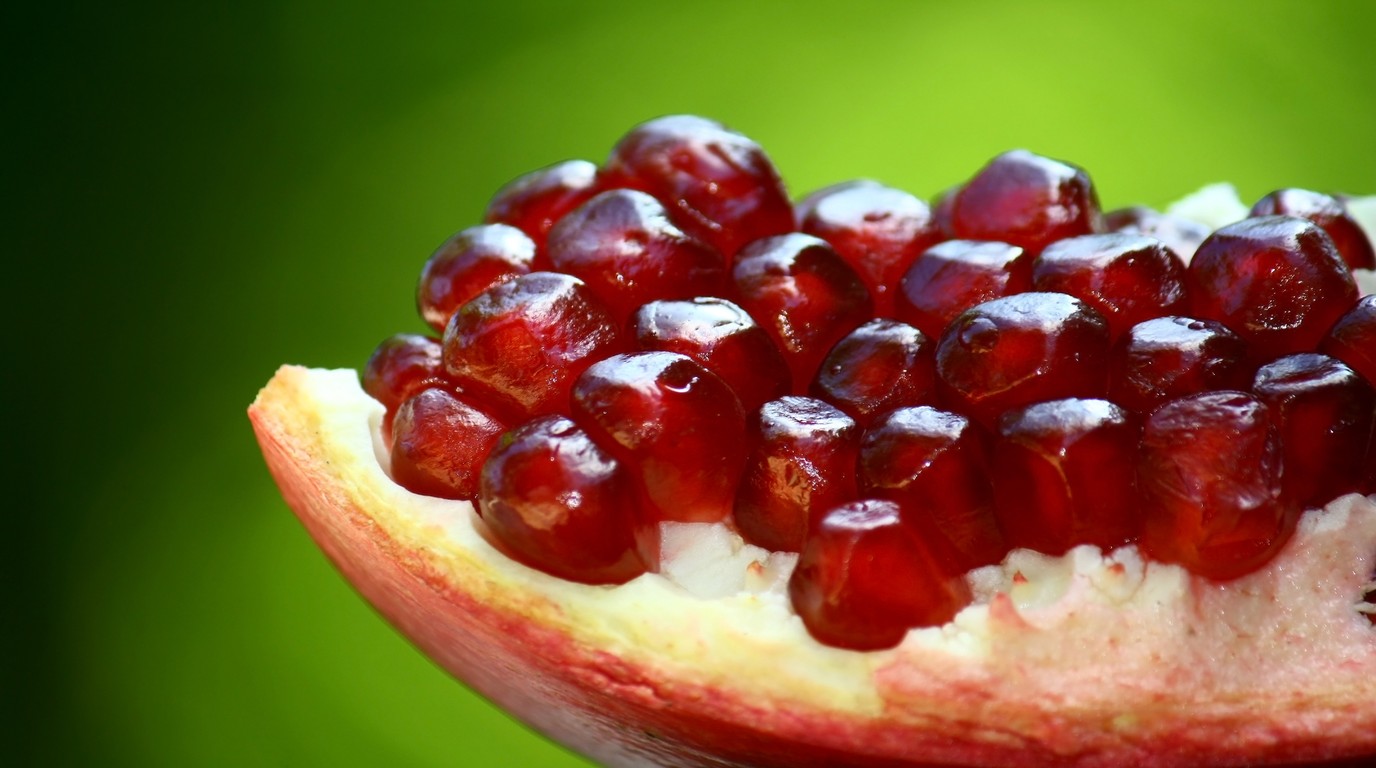
- Urolithin A (Mitochondrial Autophagy / Mitophagy): Urolithin A is a gut-derived metabolite of pomegranate and walnut ellagitannins. In humans, fewer than 30% to 40% of the population possess the specific gut microbiome species (such as Gordonibacter urolithinfaciens) capable of synthesizing therapeutic quantities of Urolithin A from diet alone. When administered directly (via synthetic Mitopure), Urolithin A activates the PINK1/Parkin-mediated mitophagy pathway. It flags depolarized, leaking mitochondria, encases them in autophagosomes, and delivers them to lysosomes for enzymatic destruction. This triggers PGC-1α to drive fresh, vibrant mitochondrial biogenesis.
- Spermidine (Systemic Macroautophagy & Hypusination): Spermidine is a ubiquitous polyamine naturally synthesized in ribosomes and found in concentrated amounts in wheat germ, aged cheddar, and natto. Unlike Urolithin A’s laser focus on mitochondria, Spermidine works across the entire cytosolic matrix. It competitively inhibits the histone acetyltransferase EP300, which de-represses essential autophagy-related genes (Atg5, Atg7, LC3). Furthermore, Spermidine serves as the exclusive substrate for the hypusination of eukaryotic translation initiation factor 5A (eIF5A), maintaining accurate ribosomal protein synthesis and preventing the translation of defective, pro-senescent peptides.
| Cellular Longevity Metric | Urolithin A (Mitopure) | Spermidine (Wheat Germ / Pure) | Nicotinamide Mononucleotide (NMN) | Trehalose |
|---|---|---|---|---|
| Primary Biological Target | Mitochondrial Matrix (Mitophagy) | Whole-Cell Cytoplasm (Macroautophagy) | Mitochondrial NAD+ Pools (Bioenergetics) | Lysosomal TFEB Activation |
| Core Molecular Mechanism | PINK1/Parkin autophagosome tagging | EP300 inhibition & eIF5A hypusination | Sirtuin-1/3 activation & PARP fueling | mTOR-independent lysosomal biogenesis |
| Validated Clinical Dosage | 500mg – 1,000mg daily | 1mg – 3mg daily (Pure) or 800mg (Extract) | 500mg – 1,000mg daily | 5,000mg – 10,000mg daily |
| Key Human Clinical Outcomes | +12% Muscle endurance, VO2 max elevation | Cardiovascular elasticity, cognitive defense | Insulin sensitivity, endothelial bloodflow | Neurodegenerative plaque clearance |
| Monthly Supplement Cost | $80 – $125 / month | $35 – $65 / month | $45 – $75 / month | $15 – $25 / month |
Can You Take Urolithin A and Spermidine Together for Longevity Synergies?
Combining Urolithin A and Spermidine addresses cellular aging at both the macro and organelle levels. Spermidine creates a hospitable cellular environment by reducing cytosolic metabolic clutter, which prevents lysosomal overload. Meanwhile, Urolithin A ensures that the energy-generating powerhouses of the cell are operating at peak efficiency, as explored in our research on Urolithin A & Mitophagy: Pomegranate Ellagitannins vs. Direct Supplementation.
For patients pursuing maximum mitochondrial health, adding GlyNAC (Glycine + NAC) to this stack provides the intracellular glutathione required to neutralize the transient free radicals released during mitochondrial recycling, as audited in GlyNAC Longevity Protocols: Glutathione Synthesis & Dosing Standards.
Clinical Biomarkers to Measure Cellular Autophagy & Mitophagy in Human Bloodwork
Unlike cholesterol or blood glucose, there is no single commercial lab test labeled “Autophagy Level.” However, clinical longevity physicians monitor six proxy biomarkers to evaluate systemic cellular renewal:
- Fasting Serum Lactate & Lactate Clearance: Healthy, efficient mitochondria rapidly oxidize pyruvate and clear lactate during submaximal exercise. Elevated resting lactate indicates mitochondrial dysfunction and incomplete oxidative phosphorylation.
- High-Sensitivity C-Reactive Protein (hs-CRP): Persistent sub-clinical inflammation (inflammaging) is heavily driven by damaged mitochondria leaking oxidized mtDNA into the cytoplasm, which triggers the NLRP3 inflammasome. Successful mitophagy protocols reduce hs-CRP below 0.5 mg/L.
- Fasting Insulin & HOMA-IR: Defective mitochondria in skeletal muscle tissue are a primary driver of peripheral insulin resistance. Urolithin A and Spermidine supplementation consistently improve HOMA-IR scores toward optimal levels (<1.0).
Frequently Asked Questions About Urolithin A and Spermidine
Can I get enough Urolithin A by drinking pomegranate juice?
For over 60% of people, no. Pomegranate juice contains ellagitannins, not Urolithin A. Converting ellagitannins into Urolithin A requires specific gut bacteria that the majority of humans lack. Clinical trials show that direct supplementation with 500mg of Urolithin A delivers 6x higher circulating plasma levels than drinking multiple glasses of pomegranate juice daily.
Can I get enough Spermidine from wheat germ or food?
Yes, but it requires dietary discipline. Consuming 2 tablespoons of raw, unheated wheat germ or 50 grams of natto daily provides approximately 1mg to 2mg of dietary spermidine. However, for those with celiac disease or gluten sensitivity, synthetic spermidine trihydrochloride or gluten-free fermented chlorella extracts are required.
What is the best time of day to take Urolithin A and Spermidine?
Both compounds are best consumed in the morning during a fasting window (or with a small fat-free black coffee), as fasting naturally upregulates cellular AMPK and downregulates mTOR, creating the optimal metabolic state for autophagic and mitophagic induction.