
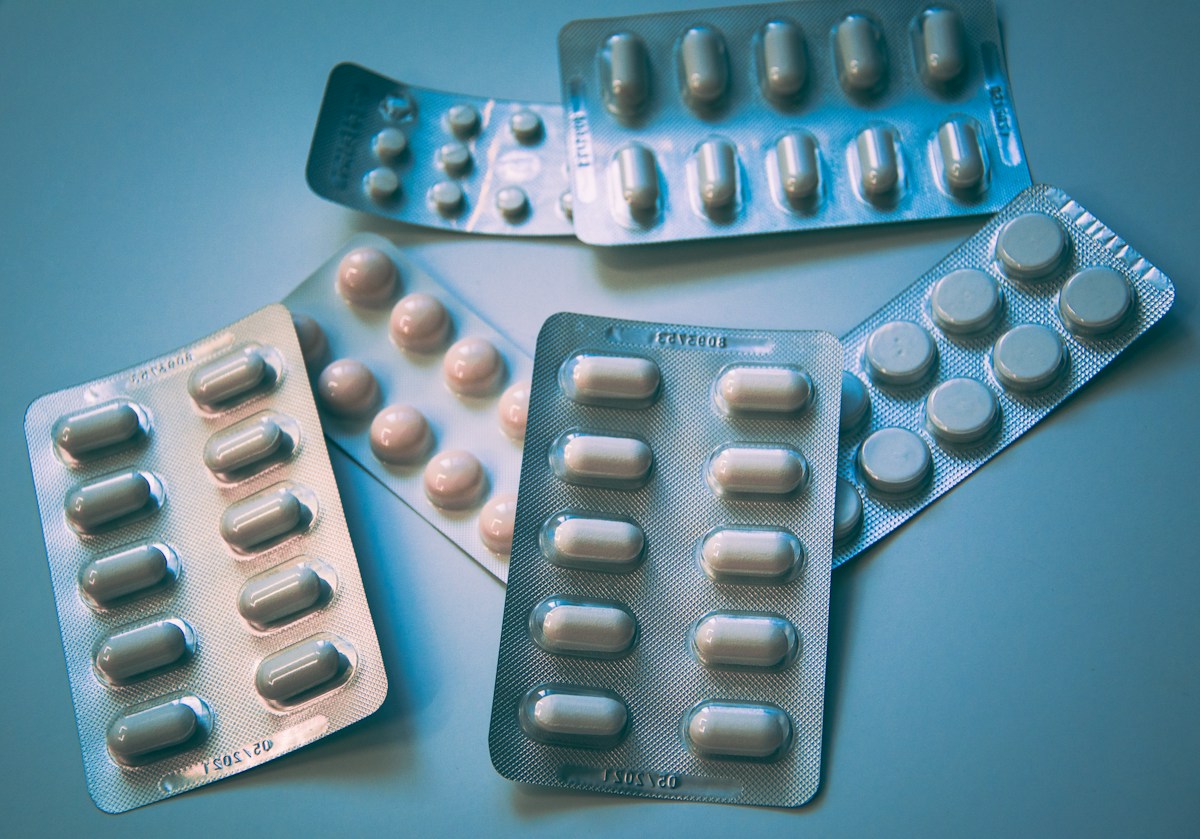
Few minerals in biological medicine suffer from greater public misunderstanding than lithium. For over seventy years, high-dose prescription lithium carbonate (typically 900mg to 1,800mg/day, yielding 170mg to 340mg of elemental lithium) has served as the psychiatric gold standard for bipolar disorder. However, these pharmacological dosages require strict therapeutic serum drug monitoring (0.6 to 1.2 mEq/L) to prevent severe thyroid suppression and renal toxicity.
In 2026, neuroscientists and clinical longevity researchers have decoupled lithium’s therapeutic molecular mechanisms from its toxic pharmacological ceiling. By administering nutritional micro-doses of elemental lithium (1mg to 5mg/day) bound to an orotate carrier molecule, clinicians achieve profound inhibition of GSK-3β (glycogen synthase kinase-3 beta) and potent upregulation of BDNF (brain-derived neurotrophic factor) without perturbing renal filtration or thyroid hormone metabolism.
- The Epidemiological Trace Mineral Signal: Multi-cohort global epidemiological analyses consistently demonstrate that municipalities with naturally higher trace lithium in drinking water (10 to 170 mcg/L) exhibit statistically significant lower rates of age-adjusted dementia, cognitive decline, and impulsive neurological mortality.
- GSK-3β Master Enzyme Modulation: GSK-3β hyperactivity is the central enzymatic driver of tau protein hyperphosphorylation and amyloid precursor protein miscleavage in neurodegenerative pathology. Nutritional lithium acts as a competitive antagonist against magnesium at the GSK-3β catalytic site, dampening tau tangle formation.
- Hippocampal Volume & BDNF Elevation: Human MRI volumetry trials indicate that micro-dose lithium stabilizes gray matter volume in the hippocampus and prefrontal cortex, stimulating neurogenesis via cyclic AMP response element-binding protein (CREB) phosphorylation.
- Vastly Superior Orotate Bioavailability: The orotate carrier molecule (orotic acid) crosses the blood-brain barrier (BBB) and glial lipid membranes with significantly higher intracellular penetrance than inorganic carbonate salts, allowing 1/100th the elemental dose to achieve neuroprotective intracellular brain concentrations.
Pharmacological Disconnect: High-Dose Carbonate vs. Nutritional Micro-Dose Orotate
The difference between psychiatric lithium therapy and longevity microdosing is a factor of over 50x in elemental exposure:
| Clinical Metric | Prescription Lithium Carbonate | Nutritional Lithium Orotate |
|---|---|---|
| Elemental Lithium Yield | 170 mg – 340 mg / day | 1.0 mg – 5.0 mg / day (50x–300x lower) |
| Serum Target Range | 0.60 – 1.20 mEq/L (Narrow therapeutic index) | Undetectable to < 0.05 mEq/L (Physiological trace) |
| Target Mechanism | Broad neurochemical suppression (Inositol depletion) | Sub-maximal GSK-3β inhibition & BDNF neurogenesis |
| Kidney & Thyroid Impact | Risk of nephrogenic diabetes insipidus, hypothyroidism | Zero documented renal or thyroid toxicity in human trials |
| Blood-Brain Barrier Kinetic | Low lipid solubility; requires high serum mass action | Enhanced BBB transport via monocarboxylate transporters |
For cognitive stacks addressing neurotransmitter balance and memory retention, explore our clinical evaluation on Alpha-GPC vs. CDP-Choline for cognitive optimization.
Molecular Neuroprotection: Upregulating Autophagy and Nrf2
In addition to direct GSK-3β inhibition, lithium microdosing activates two vital cellular housekeeping cascades:
1. mTOR-Independent Neuronal Autophagy
Unlike fasting and rapamycin, which induce autophagy by inhibiting mTOR complex 1 (mTORC1), lithium upregulates macroautophagy through an mTOR-independent pathway by depleting free intracellular inositol and inositol 1,4,5-trisphosphate (IP3). This triggers clearance of misfolded alpha-synuclein, mutant huntingtin, and hyperphosphorylated tau proteins inside post-mitotic neurons without impairing muscle protein synthesis.
2. BCL-2 Upregulation & Apoptosis Defense
Lithium robustly increases expression of the anti-apoptotic protein BCL-2 (B-cell lymphoma 2) in cerebral cortex and hippocampal pyramidal neurons. Concurrently, it suppresses pro-apoptotic Bax and caspase-3 activation, conferring resilience against excitotoxicity caused by excess glutamate release during high stress or cerebral ischemia.
Clinical Protocol: Dosing & Laboratory Monitoring Matrix
For individuals seeking long-term brain preservation, low-dose protocols are deployed sequentially:
Nutritional Longevity Protocol:
- Dosage: 1.0 mg to 5.0 mg Elemental Lithium (as Lithium Orotate) once daily with evening meal
- Cycle: 5 days on / 2 days off (or 3 weeks on / 1 week off) to ensure renal clearance
- Serum Safety Bloodwork: Annual Serum Creatinine, eGFR, and TSH/Free T4 to establish zero systemic accumulation

Advanced Neuro-Stack Synergy:
- Lithium Orotate (2.5 mg elemental)
- Magnesium L-Threonate (144 mg elemental Mg) for enhanced synaptic density
- Phosphatidylserine (100 mg) for membrane fluidity
To support deep restorative sleep where glymphatic brain clearance occurs, compare this with our breakdown on the 4-pillar sleep architecture stack.
Lithium should no longer be viewed solely through the prism of psychiatric pathology. At nutritional micro-doses between 1mg and 5mg, lithium orotate is a fundamental biological nutrient that preserves hippocampal volume, stimulates BDNF neuroplasticity, and suppresses tau phosphorylation via GSK-3β antagonism. It represents one of the highest cost-to-benefit neuroprotective compounds available in modern preventive medicine.
Where to Expand Your Stack Next
- Synaptic Neurotransmission: Combine with high-penetrance magnesium in our review of Magnesium Glycinate vs. L-Threonate for BBB Penetration.
- Cerebral Energy Pools: Enhance ATP buffering with our guide to Creatine Monohydrate for Brain Energy.
- Cellular Debris Clearance: Pair with mitochondrial turnover protocols in our masterclass on Urolithin A & Mitophagy Activation.
People Also Ask
Can lithium orotate damage kidney or thyroid function like lithium carbonate?
No. Kidney and thyroid toxicities observed with prescription lithium carbonate occur at elemental doses between 170mg and 340mg per day. Nutritional lithium orotate delivers between 1mg and 5mg of elemental lithium (over 50x lower). Long-term clinical studies at these micro-doses show zero adverse effects on serum creatinine, eGFR, or TSH levels.
What is the difference between lithium orotate and lithium aspartate?
Both are organic mineral chelates, but lithium orotate uses orotic acid, which facilitates superior transport across cellular and mitochondrial membranes. Lithium aspartate has fallen out of clinical favor due to concerns that free aspartate can act as an excitatory neurotransmitter at NMDA receptors.
What time of day should lithium orotate be taken?
Lithium orotate is most effectively taken in the evening with food. Lithium exerts a mild calming effect on central nervous system excitability and promotes GABAergic signaling, which can assist in sleep onset and enhance deep slow-wave sleep architecture.
Does micro-dose lithium blunt emotions or cause lethargy?
No. The emotional blunting, tremors, and cognitive dulling associated with medical lithium are direct symptoms of high-dose pharmacological saturation. At nutritional doses of 1mg to 5mg, users report subtle improvements in mood stability, stress resilience, and mental clarity without any sedative or affective flattening.